
The science of surface reflection.

Albedo is how much sunlight a surface bounces back to space. It sounds simple — and it quietly governs the temperature of our streets, cities and planet. This page is an interactive tour through the science, the evidence and the papers behind it.

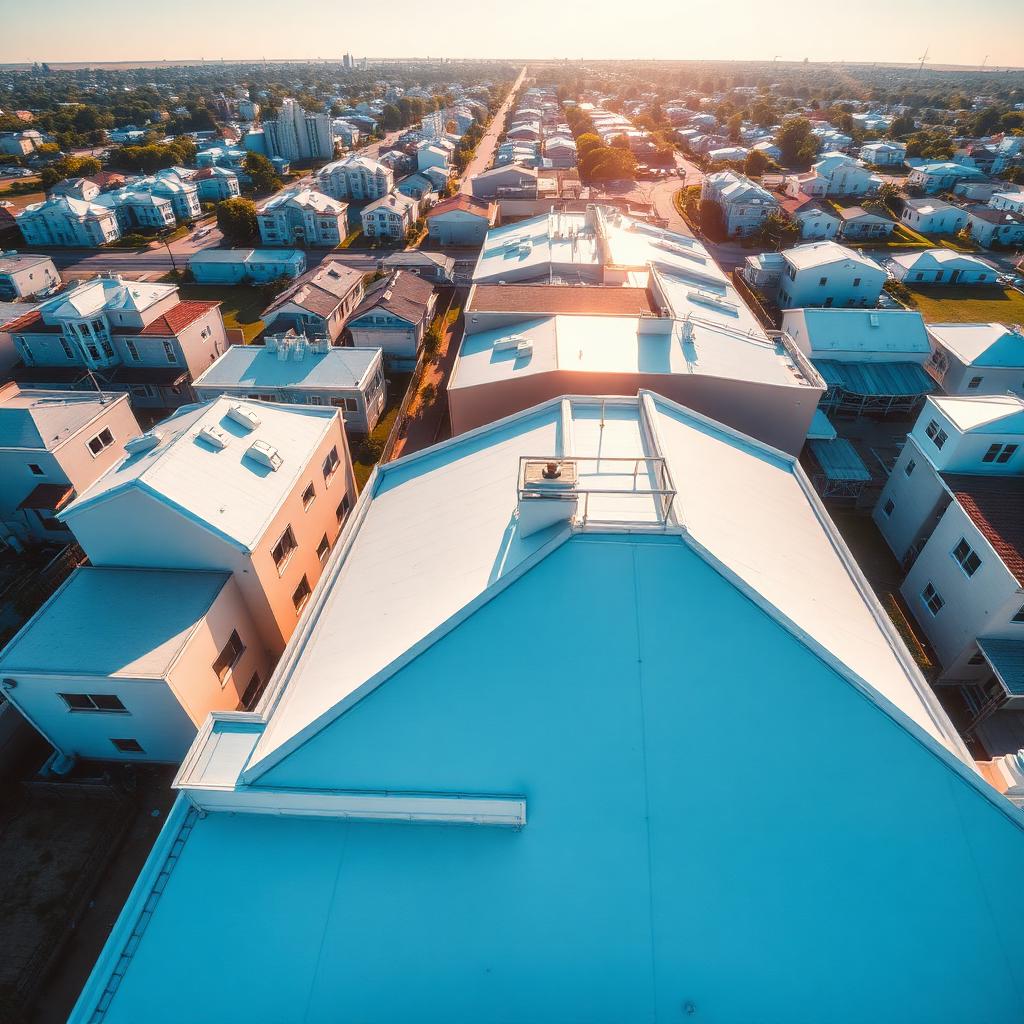
Aerial view of bright reflective roofs in a sunny neighborhood

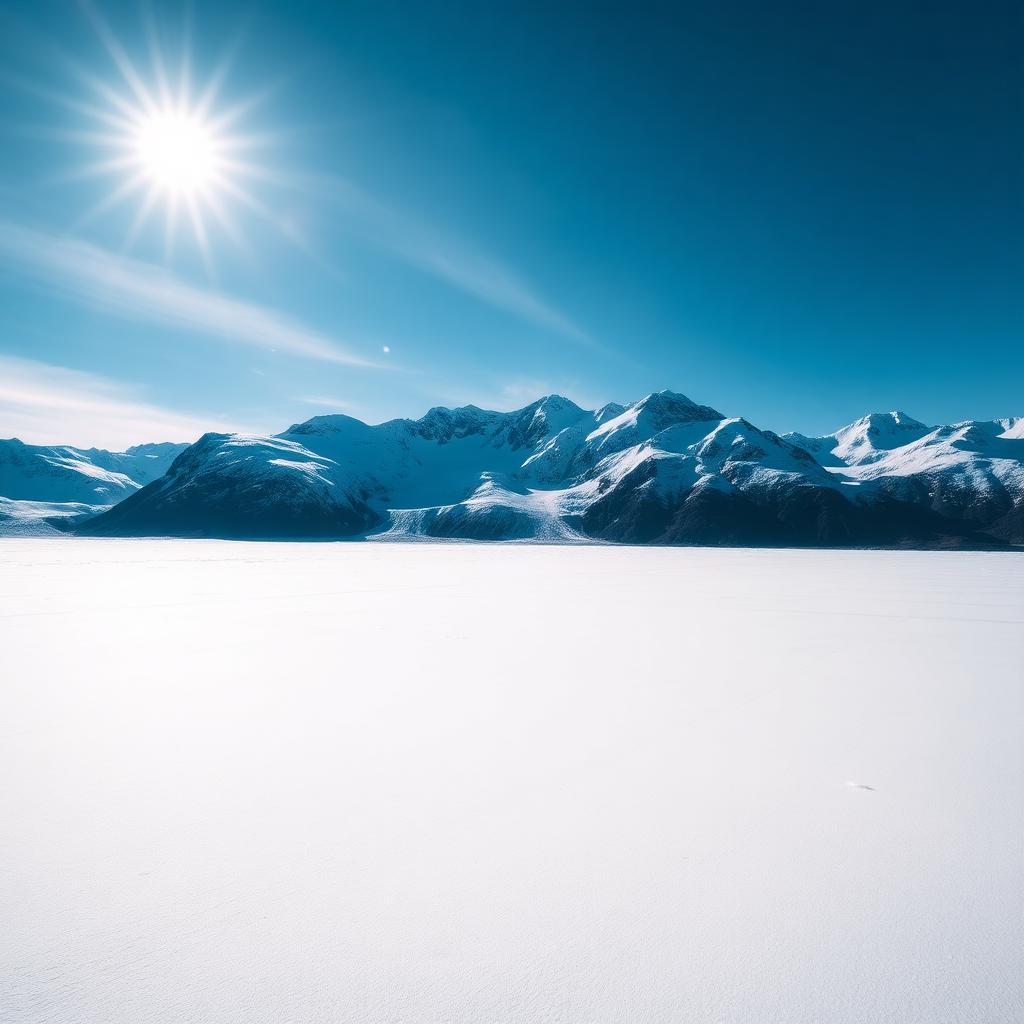
A perfectly black surface has an albedo of 0. Fresh snow can reach 0.85 — reflecting more than eight out of every ten photons that hit it.

What is albedo?

Albedo (Latin albus, "white") is a number between 0 and 1 that tells you how reflective a surface is. Snow, salt flats and freshly painted white roofs sit near the top. Asphalt, dark rooftops and open ocean sit near the bottom.

Whatever isn't reflected is absorbed — and absorbed sunlight becomes heat. That is why a dark car roof burns your hand and a white one doesn't.

Albedo of common surfaces
% reflected
  • Fresh snow85%
    reflects most sunlight — a natural climate cooler
  • White reflective roof80%
    engineered high-albedo surface
  • Desert sand40%
    bright landscapes contribute to planetary cooling
  • Grassland25%
    vegetation reflects modestly and cools by transpiration
  • Forest15%
    dark canopy absorbs strongly
  • Asphalt road10%
    hot city surface — a heat-island driver
  • Ocean (calm)6%
    absorbs ~94% of incoming shortwave

How sunlight interacts with the Earth

Sunlight arrives as shortwave radiation. Some is reflected straight back to space by clouds and bright surfaces. The rest is absorbed by land and ocean, warming them and being re-radiated as longwave heat.

Greenhouse gases trap part of that outgoing heat, keeping the planet habitable — but too much trapping is what drives climate change. Raising the surface albedo sends a fraction of sunlight back before it becomes heat at all.

Incoming sunlightReflected (high albedo)Absorbed → heatDark surface (low albedo)Bright surface (high albedo)
Simplified surface–atmosphere energy exchange

Brighter surfaces, cooler places.

Albedo change is one of the fastest, most measurable levers we have. It works at the scale of a single roof and at the scale of the planet.

−2 to −5 °C

Typical measured drop under cool-roof coatings in tropical field studies.

≈ 1 kW / m²

Reflect 20% more and you send hundreds of watts back to space per square meter.

0.30

Small shifts across large areas move the planetary energy balance measurably.

24 hrs / day

Reflective surfaces work without power, moving parts or ongoing fuel.

The Global Greenhouse Effect (2026)

Start here for the big picture: how the greenhouse effect works, why radiative imbalance matters, and where albedo modification sits in the climate toolkit.

Where the planet is bright — and where it isn't.

The Earth is a patchwork of reflective and absorbing surfaces. Understanding the mix helps us see where albedo interventions can do the most good.

Snow and glaciers
Snow and glaciers

The brightest surfaces on Earth. As they melt, the darker land or ocean beneath absorbs far more — a self-amplifying feedback.

Deserts and salt flats

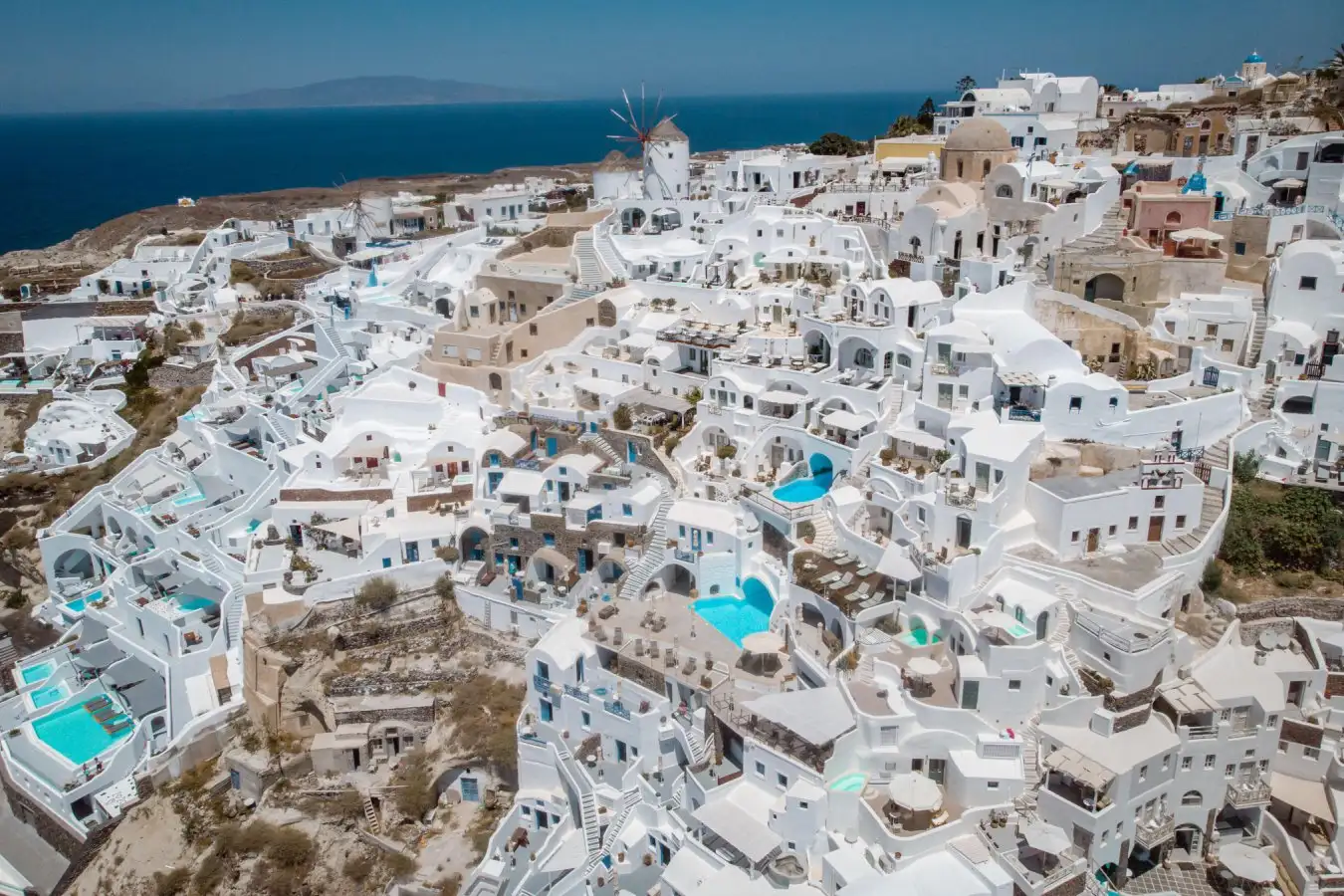
Naturally high albedo. Studies of albedo modification often use desert reflectivity as a benchmark.

Cool roofs and reflective cities

Engineered reflectivity added to roofs, pavements and walls. The most tractable place to raise albedo at speed.

Dark urban surfaces
Dark urban surfaces

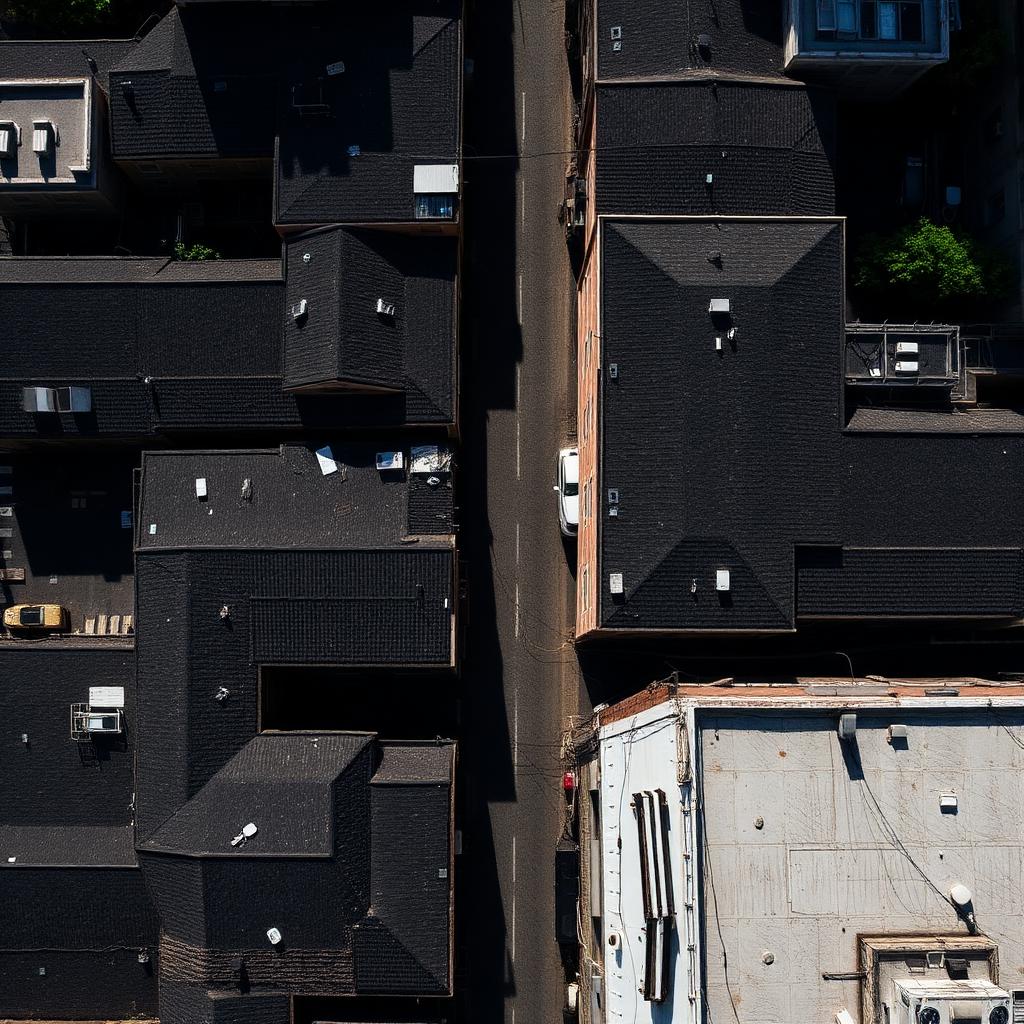
Asphalt and dark roofs push city surface temperatures 10–20 °C above surrounding countryside on summer afternoons.

The science behind surface reflection

Three ideas do most of the work: radiative forcing, Earth's energy balance and surface cooling. Open any panel for a deeper explanation.

The papers behind this science.

Every claim on this page is grounded in the literature below. Each card summarises why the paper matters and links directly to the full PDF.

The Global Greenhouse Effect: Mechanisms and Measurement

A comprehensive review of how greenhouse gases trap outgoing longwave radiation and how surface albedo modifications can partially offset this warming. Essential context for anyone wanting to understand why surface cooling matters at planetary scale.

Main findings
  • Quantifies the radiative imbalance driving global warming.
  • Explains the physical link between GHG concentrations and surface temperature.
  • Frames albedo enhancement as a complementary — not substitute — climate response.

Global Pattern of Top-of-Atmosphere and Surface Radiation Budgets

Maps the geographic distribution of incoming and outgoing radiation at the top of the atmosphere and at the surface. Shows where the largest gains from albedo modification are physically possible.

Main findings
  • Regional maps of net radiation and absorbed shortwave flux.
  • Identifies latitudes and biomes where reflectivity changes have greatest leverage.
  • Provides a baseline for evaluating any proposed surface-cooling intervention.

A Simplified Method for Estimating Surface-Cooling Impact

A practical, field-usable method for estimating how much heat a reflective surface removes from the local environment. Bridges laboratory optics and real-world deployment.

Main findings
  • Step-by-step calculation for practitioners without specialist software.
  • Validated against instrumented pilot sites.
  • Enables community groups to project impact before installation.

Recent Improvements in GHG Radiative-Forcing Estimation

Updates the numerical estimates of radiative forcing from major greenhouse gases and outlines the uncertainties. Explains why precise forcing values matter when comparing cooling strategies.

Main findings
  • Revised forcing values for CO₂, CH₄ and N₂O.
  • Improved treatment of overlapping absorption bands.
  • Clarifies how forcing feeds into climate-sensitivity estimates.
Principle

Physics, not marketing

Every number here traces back to a measurement or a peer-reviewed paper.

Principle

Made to be shared

Download the underlying papers. Teach with them. Challenge them.

Principle

One lever among many

Albedo is a powerful complement to emissions cuts — not a substitute for them.

Continue exploring

Related publications

Related projects

Related MEERTalks

  • MEERTalks

    Recorded conversations with scientists and partners.

Related glossary terms

  • Reflective Cooling

    Cooling by bouncing sunlight away from a surface before it can be absorbed as heat.

  • Reflective Roofs

    Roofs coated or built with high-reflectance materials so buildings absorb far less heat.

  • Radiative Cooling

    Heat loss from any object by emitting thermal infrared radiation.

  • Sky Window

    A range of infrared wavelengths (roughly 8–13 μm) where the atmosphere absorbs relatively little of Earth's outgoing thermal radiation.

  • UHI

    The phenomenon where cities are noticeably hotter than the surrounding countryside.

  • MRT

    The average temperature of every surface radiating heat toward a person.