
≈ 0.85
Fresh snow
Nature's mirror — reflects most sunlight straight back to the sky.


Understanding how different materials reflect, absorb and release energy — and why that makes some surfaces stay cool while others become extremely hot.
Some materials reflect most incoming sunlight straight back to space. Others absorb almost all of it and turn it into heat. The difference is enormous — and it happens right at the surface.
Nature's mirror — reflects most sunlight straight back to the sky.

A simple, effective way to bounce sunlight before it becomes heat.
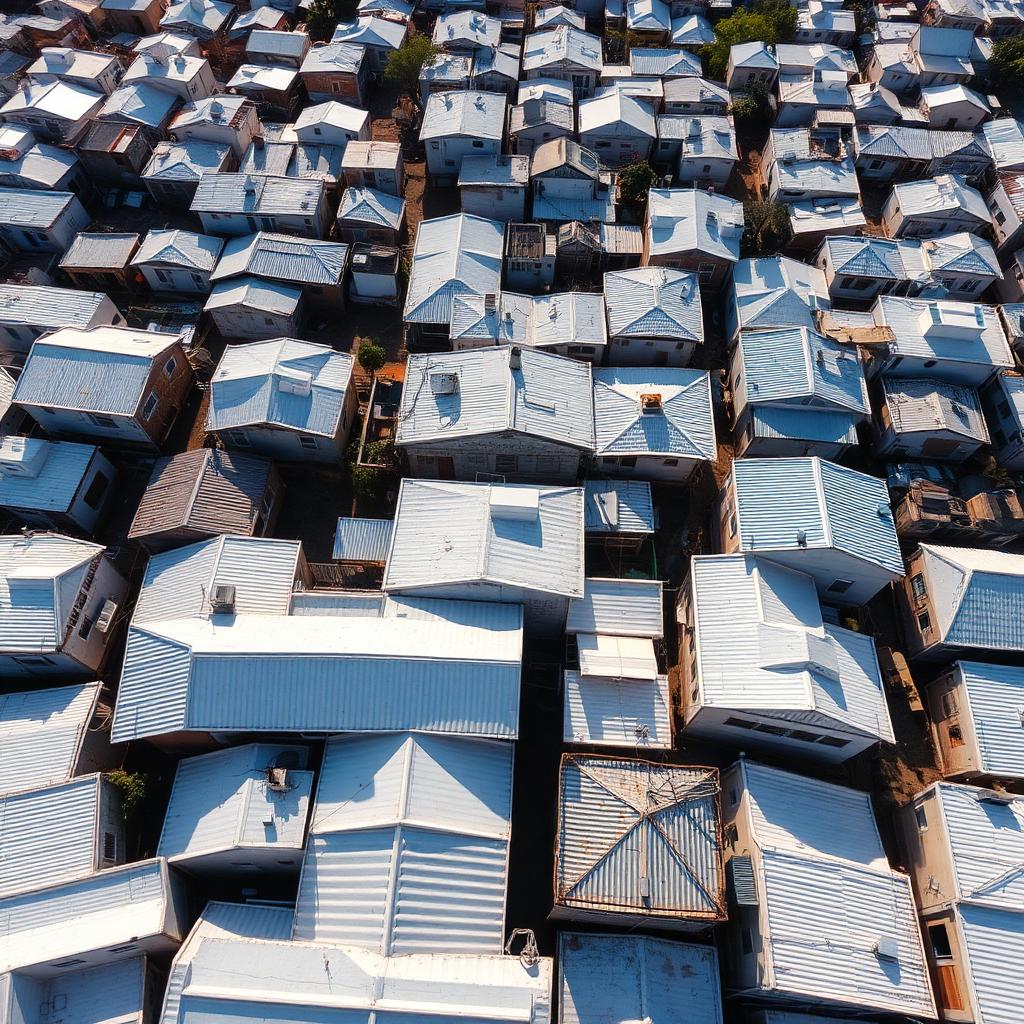
Engineered surfaces designed to reflect far more light than paint alone.

Absorbs a share of sunlight but also releases heat through evaporation.
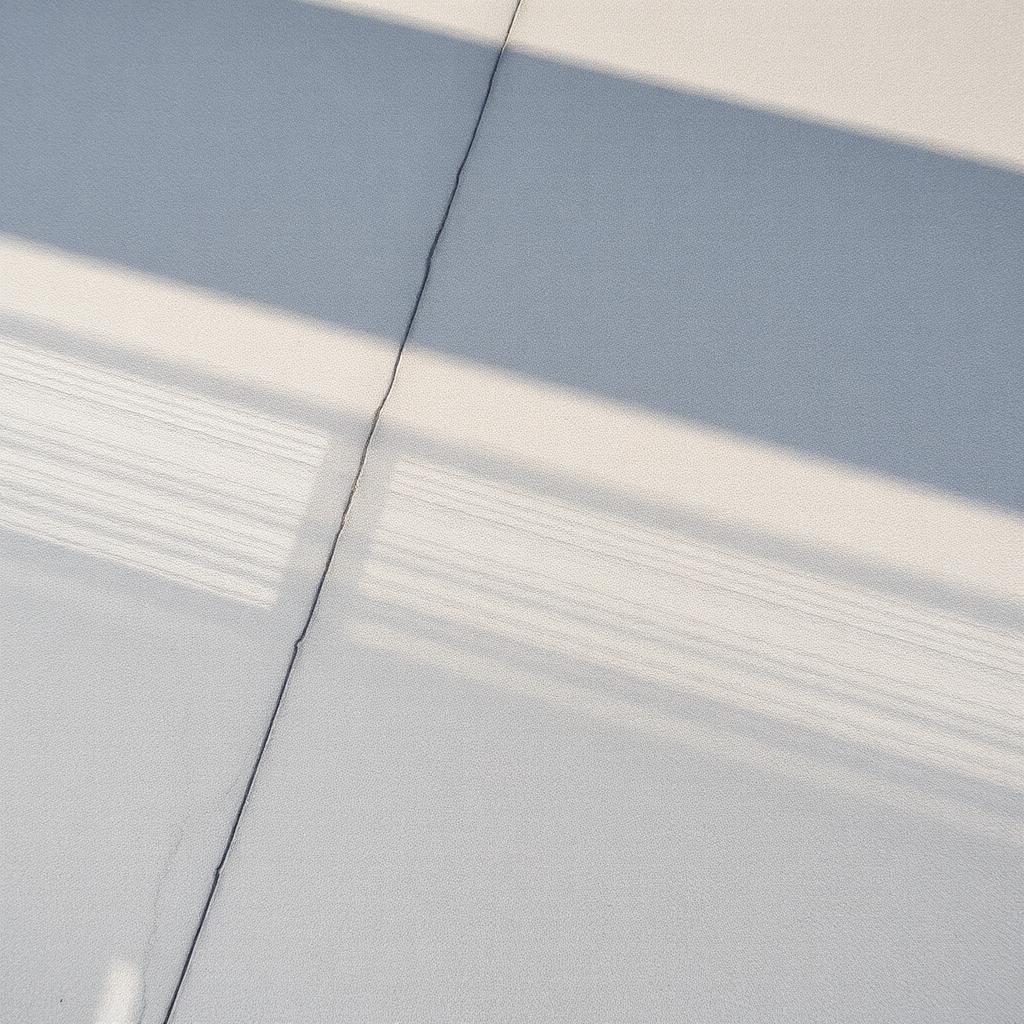
Moderately reflective when fresh, but darkens and warms with age.

Absorbs almost all sunlight and re-radiates it as intense heat.
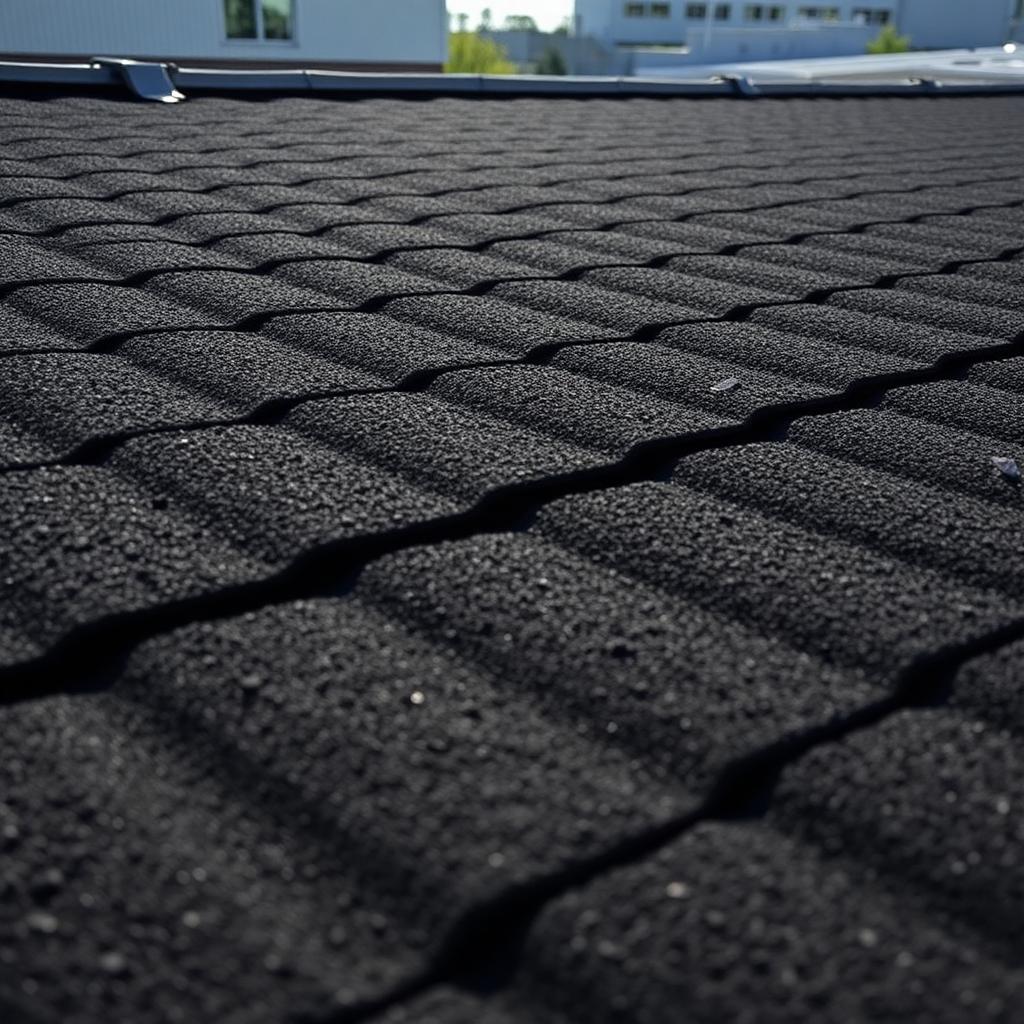
Can reach 70–80 °C in direct sun — a solar collector on top of a building.
It sounds obvious, but it's the single most important idea on this page. Every extra photon a surface bounces away is one it doesn't have to turn into heat.
Solar energy reaches the surface.
Bright surfaces bounce a share of it back to the sky.
The rest is taken in by the material.
That absorbed light is re-emitted as warmth.
Albedo is simply a measure of how much sunlight a surface reflects. A value of 1.0 would be a perfect mirror; 0 would be a perfect absorber. Everything in the real world sits somewhere in between.



Two surfaces can look identically white to the human eye and still behave completely differently in sunlight. What matters is how the material interacts with the full spectrum of solar energy — including the parts we can't see — and how efficiently it can shed heat back out.
"Modern material science allows surfaces to be engineered for cooling — rather than simply colored white."

A cooler surface isn't just about the color on the outside. It's about how a material handles light, heat and time.
How much incoming sunlight is bounced back to the sky before it can become heat.
How much energy the material takes in and stores as warmth.
How hot the material itself becomes in direct sun.
How much of that stored warmth is radiated back into surrounding air.
How well the material keeps performing after years of sunlight, rain and dust.
From glaciers to city rooftops, the physics of surface reflection shapes how hot the world around us feels.

Traditional villages in the Mediterranean and Middle East used white lime wash long before we had a word for albedo — and they've stayed cooler for it.
Modern reflective sheeting can send back 80–90% of incoming sunlight, keeping the roof deck close to air temperature.

Swapping black asphalt for lighter surfaces can noticeably lower street-level temperatures during heatwaves.
The most reflective natural surfaces on Earth — and part of why polar regions warm faster when they lose their brightness.

Dense clusters of dark roofs, roads and buildings can be several degrees hotter than the countryside around them.
Retrofitting existing buildings with reflective coatings is one of the fastest, lowest-cost ways to cut indoor heat.
Researchers around the world are developing new materials capable of reflecting more sunlight, shedding more heat, and lasting longer in harsh conditions.

Engineered surfaces that reflect a much larger share of sunlight than conventional paint — often across wavelengths the eye can't even see.
Materials tuned to emit heat directly through the atmosphere to the cold of space — cooling themselves below air temperature, even in full sun.
Thin films and composite finishes that combine high reflection, high emission and long-term durability in the field.
An illustrative comparison between a conventional dark roof and a highly reflective one, based on typical field-measured behavior on a sunny day.

Illustrative values based on typical field measurements. Real-world performance varies with material, weather and location.
Explore how MEER turns the physics of surface reflection into practical cooling for buildings, cities and landscapes.