Advancing cooling solutions around the world.
MEER's international programme spans laboratory research, materials science, engineering, field demonstrations and global partnerships. Working with universities, governments, industry and local communities, we develop, test and evaluate practical cooling solutions for a warming world.
Where MEER is at work.
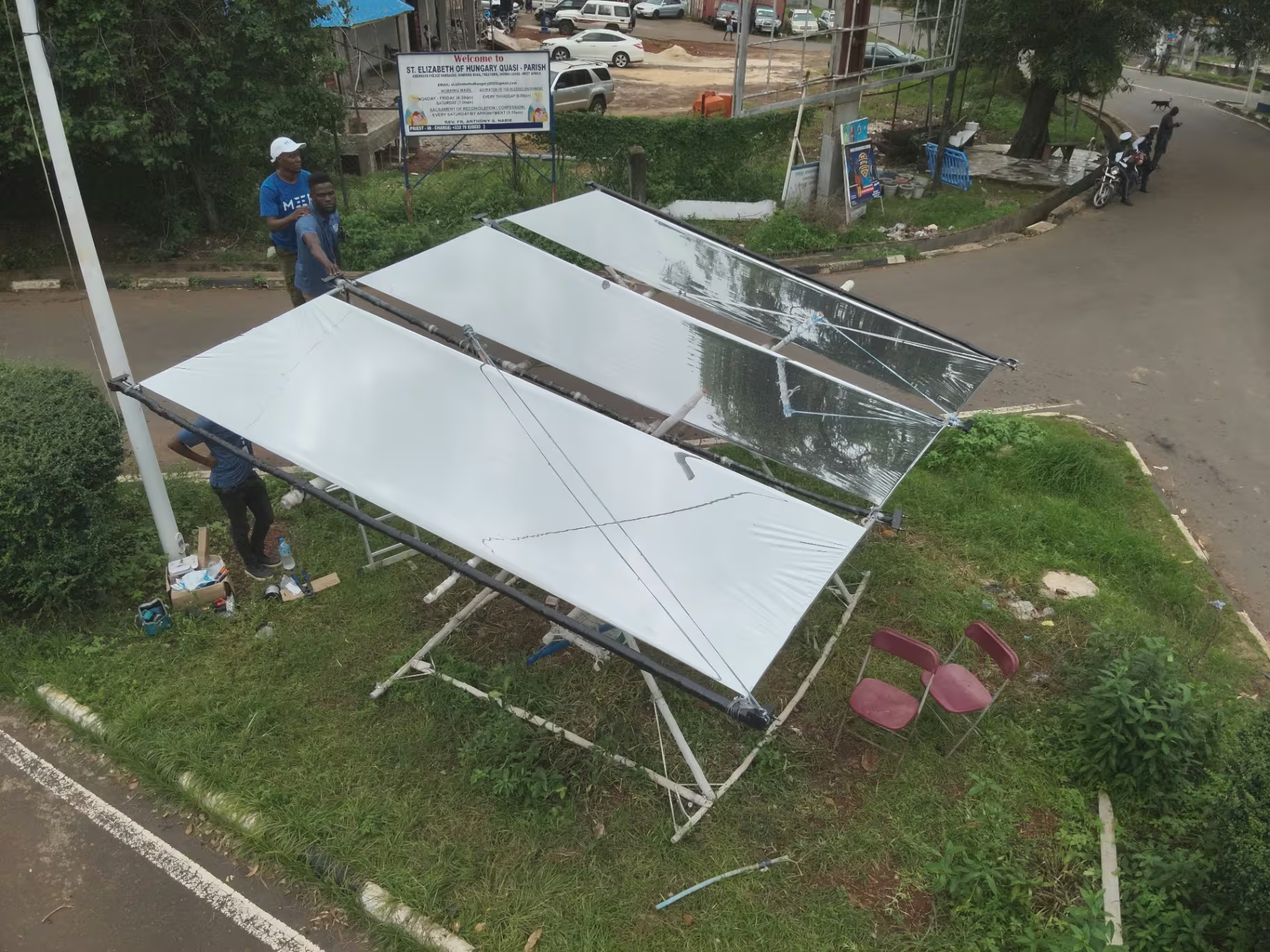
Freetown, Sierra Leone
Goal: Reduce indoor heat stress in informal housing through reflective roofing.
Highlights: Reflective roofing installed across 55+ households in Kroo Bay, delivering measured 3–6 °C indoor temperature reductions.
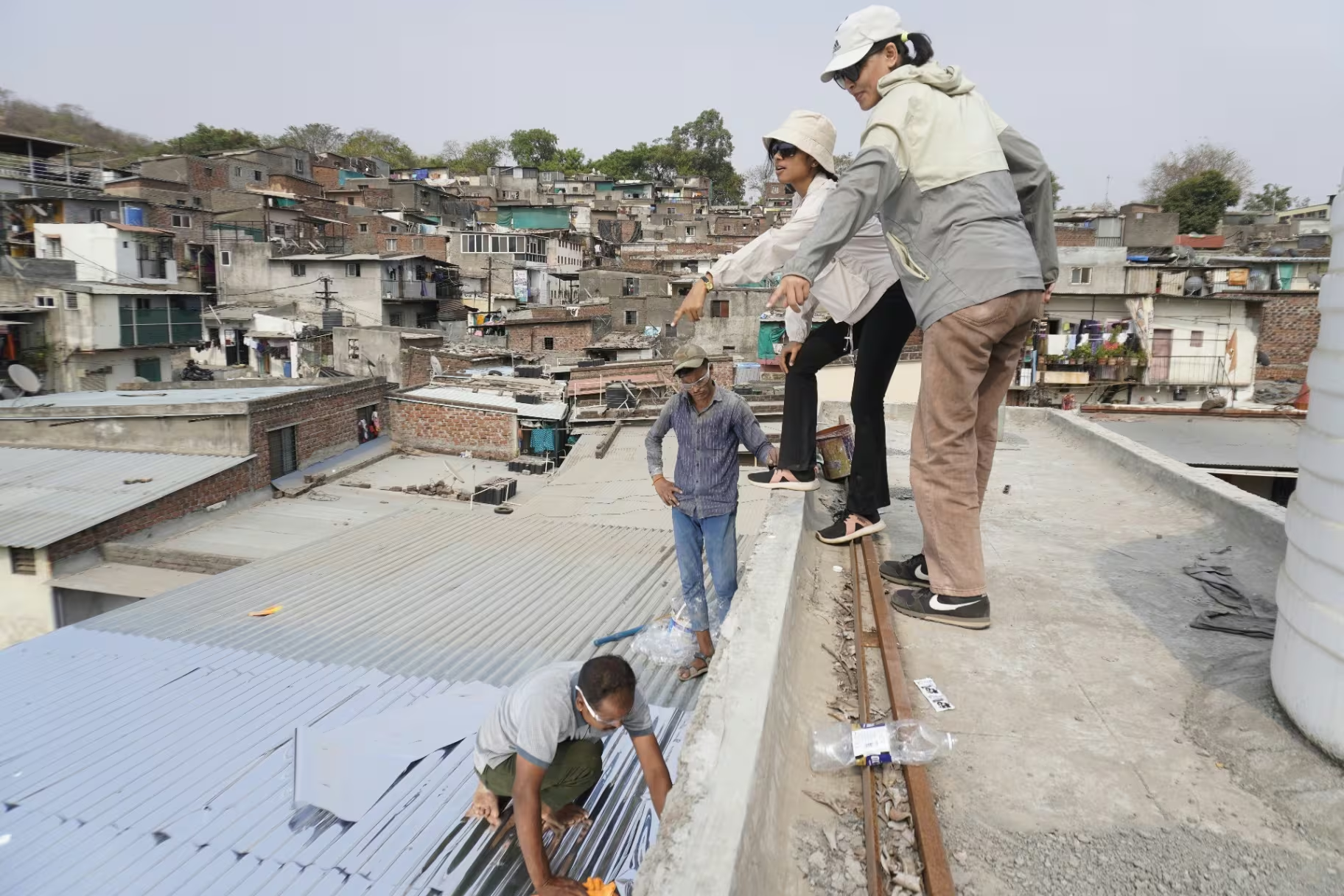
Pune, India
Goal: Advance practical cooling technologies through field trials, long-term monitoring and materials research.
Highlights: Reflective rooftop trials on metal and tin roofs, durability testing, PDRC research and a permanent MEER team in Pune supporting long-term work across India.
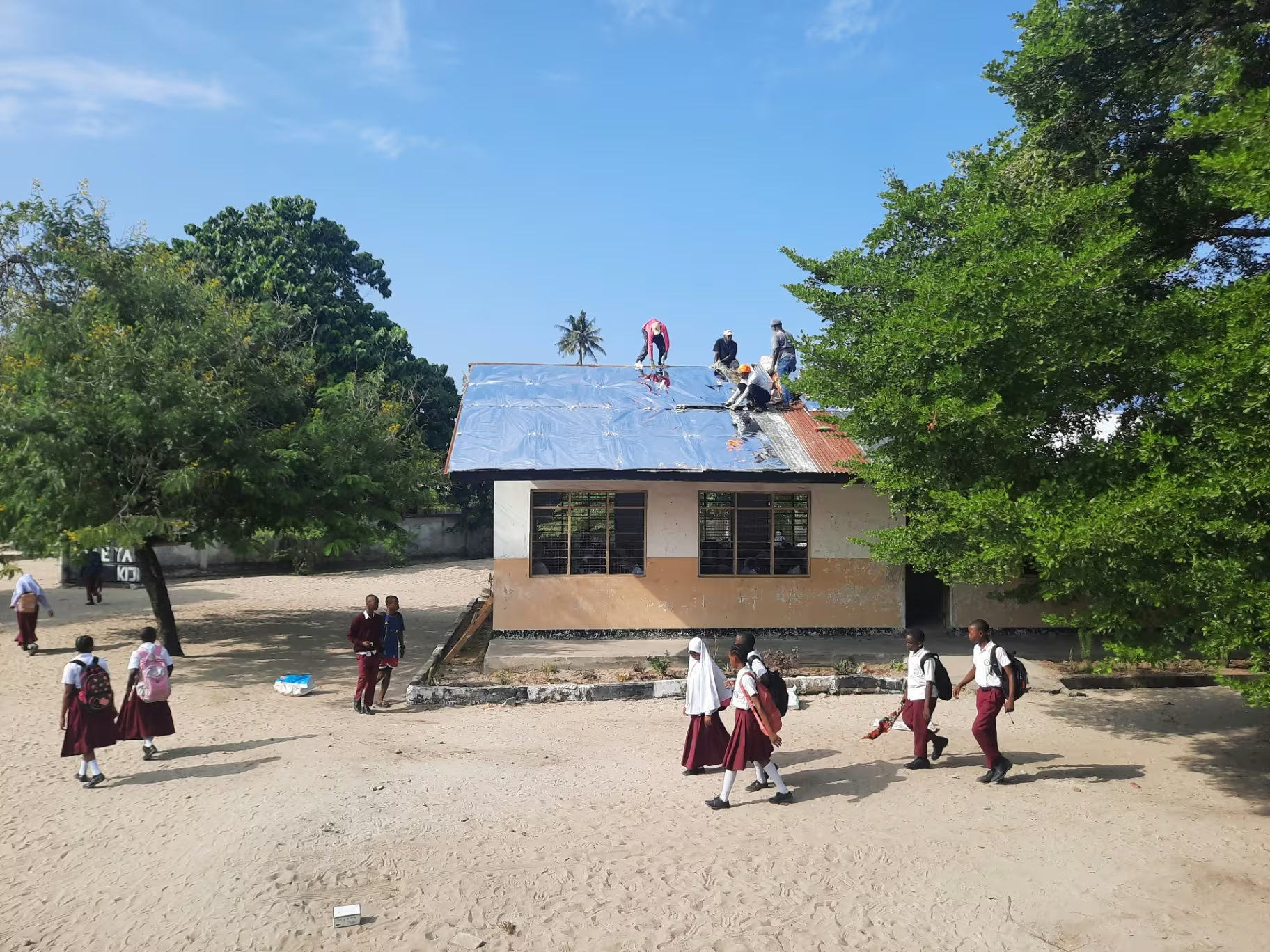
Dar es Salaam, Tanzania
Goal: Demonstrate the long-term durability and performance of reflective rooftop cooling materials in real-world tropical conditions.
Highlights: Materials installed around two years ago continue to perform well. Tanzania now serves as a long-term reference site, with periodic assessments carried out with local partners.
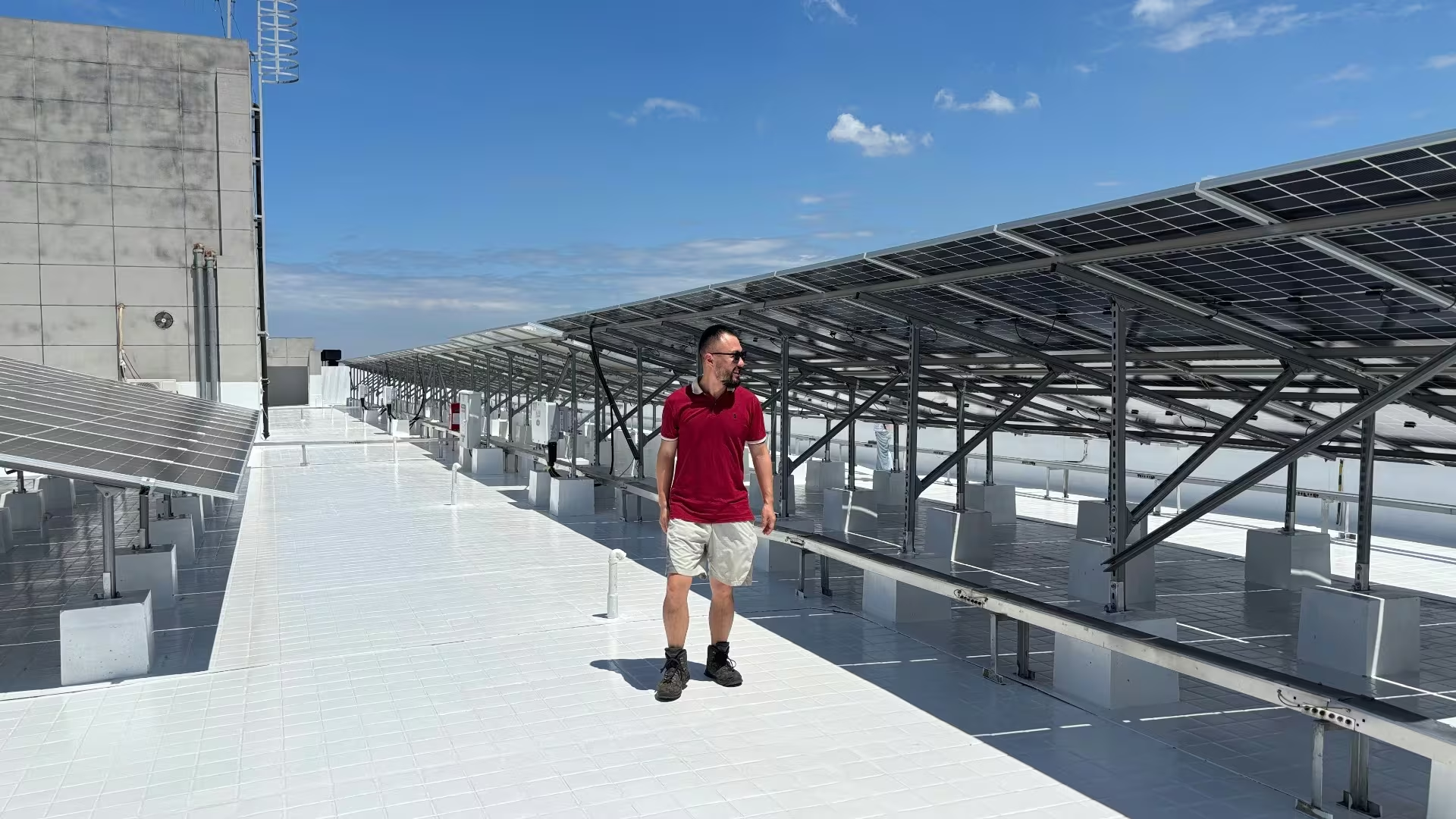
Beijing, China
Goal: Advance materials, system design and manufacturing capacity required to scale surface cooling globally.
Highlights: Next-generation reflective materials, engineering optimisation and integration with large-scale infrastructure.
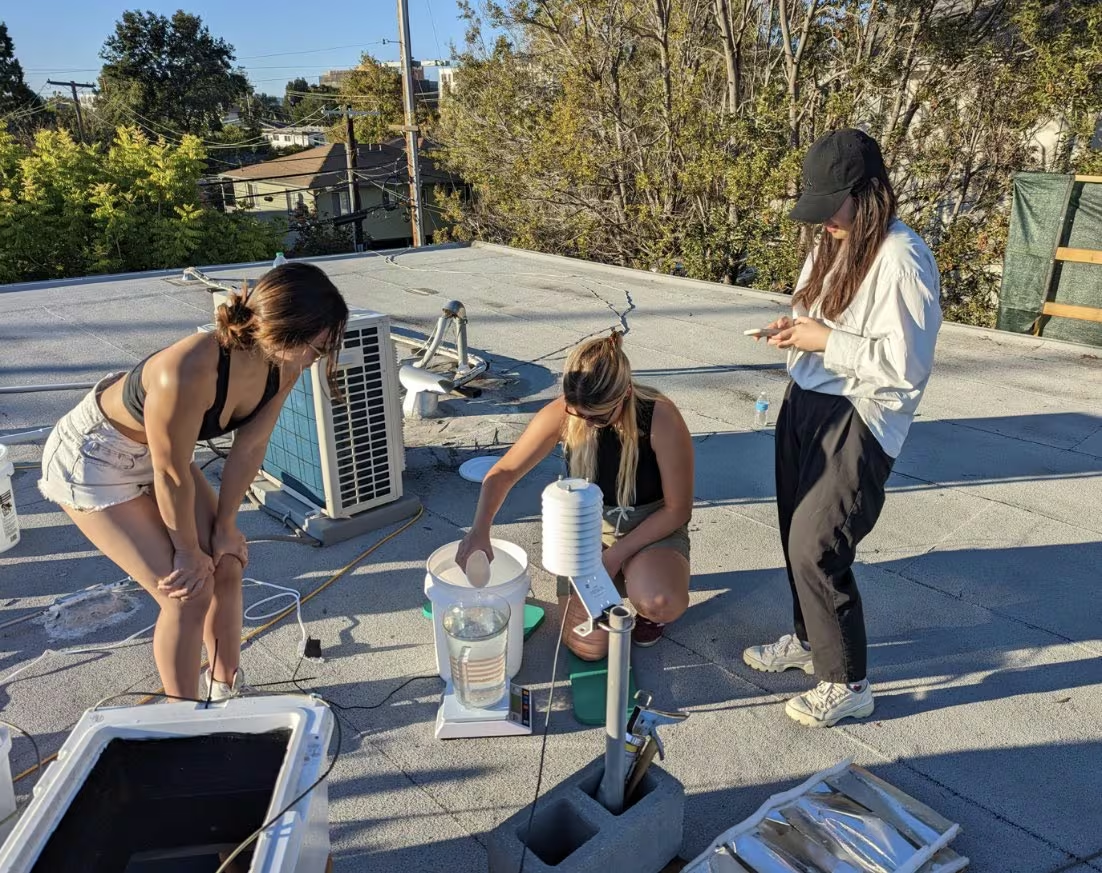
California — Historical pilot site
Goal: Early pilot investigation of how reflective and radiative materials can reduce heat across water systems and urban environments. Distinct from MEER's US administrative headquarters.
Highlights: Completed pilot with local partners. A historical field pilot — not an active deployment or the US administrative base.
Adaptable across different contexts.
Cooler homes, schools, and public spaces. Safer indoor environments for learning and gathering.
Reduced soil overheating, water conservation, healthier crops.
Lower evaporation rates, protecting water supplies.
MEER's global footprint.
Field research and deployment sites are shown as solid markers. Administrative bases and the registered nonprofit headquarters are shown as smaller outlined markers. Rotate the Earth, zoom in, and click a marker to explore each location.
Propose a project with us.
We collaborate with municipalities, universities and community organisations. If you work in a heat-vulnerable location, get in touch.
Contact the team