Reflective rooftop cooling technologies
High-albedo sheeting rejects solar heat before it reaches the home — no electricity or mechanical parts required.
Developing practical cooling solutions for homes, schools, community buildings and public spaces to help communities adapt to rising temperatures and increasing extreme heat.
Freetown stretches from the Atlantic coastline into steep hillsides, creating a dense urban landscape that traps heat and exposes residents to extreme temperatures year-round. Sierra Leone ranks among the top three most climate-vulnerable countries in the world. MEER has been operating here since early 2023, focusing on passive cooling solutions that can immediately reduce indoor temperatures for households with no access to conventional cooling.
See how MEER is helping communities in Freetown adapt to extreme heat — installing reflective rooftop cooling systems that reduce indoor temperatures and improve everyday life.
High-albedo sheeting rejects solar heat before it reaches the home — no electricity or mechanical parts required.
Designed for some of the world's most heat-vulnerable communities, where conventional cooling is out of reach.
Local residents are trained to fabricate, install and maintain the systems — creating employment and ownership.
On-site instrumentation confirms 3–6 °C drops, transforming living conditions during the hottest months.
Continuous monitoring and multi-year data collection ensure the technology performs under real-world stress.
Building local capacity and infrastructure so neighbourhoods can adapt and thrive as temperatures rise.
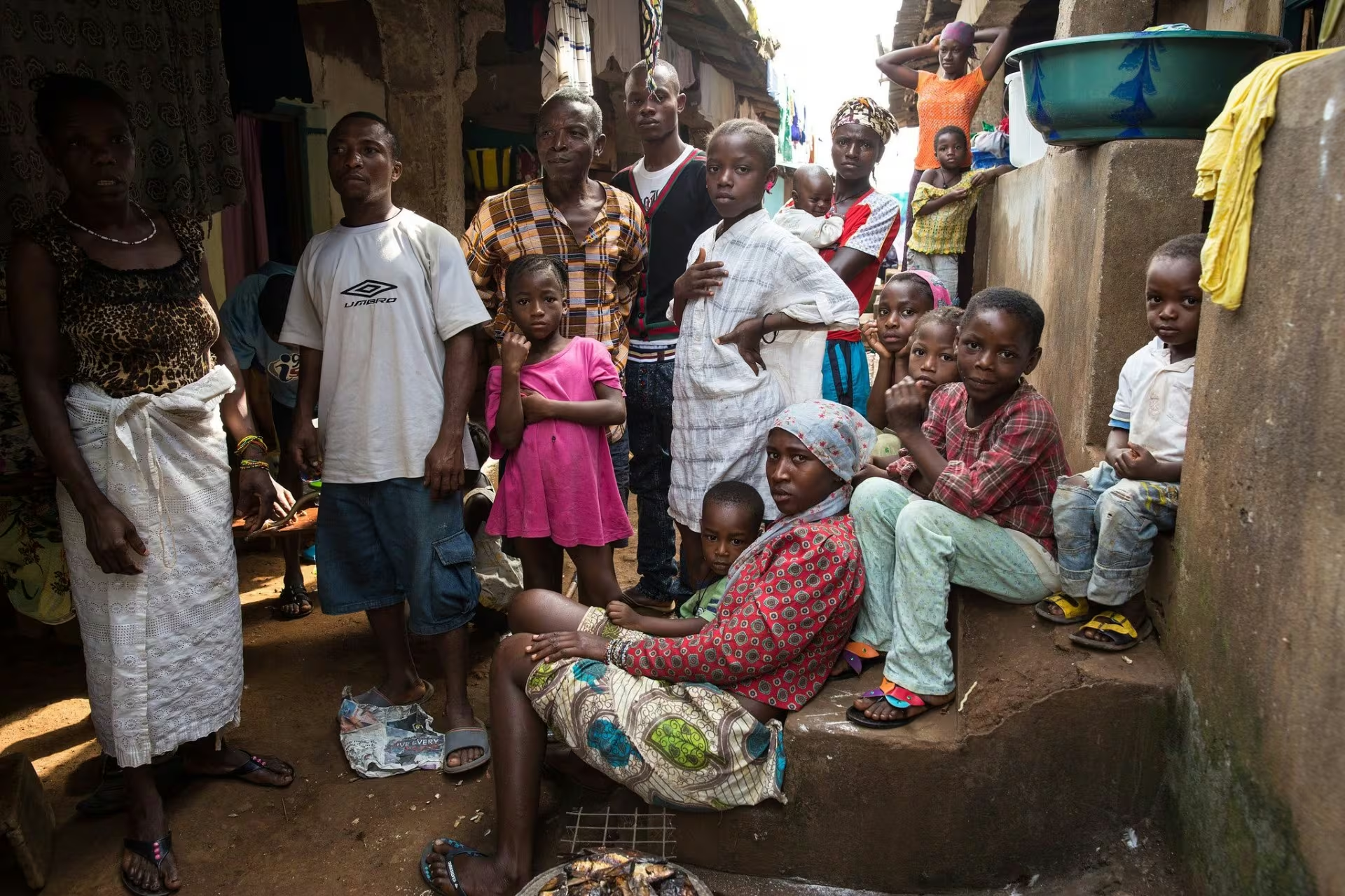
In the dry season, temperatures frequently exceed 40 °C (104 °F), and even nighttime offers little relief — humidity often sits above 80%, with indoor air near 30 °C (86 °F).
For families living in informal settlements built from tin, tarpaulin and scrap materials, these conditions are not just uncomfortable — they are life-threatening. Children, older residents and pregnant women are hit hardest.
A single reflective rooftop layer can meaningfully cut the amount of solar energy a home absorbs — without electricity, mechanical parts or refrigerants.
Hear from a Kroo Bay resident whose daily life has been changed by MEER's cooling intervention.
“Before the roof, the heat inside was unbearable. Now we can rest, the children can sleep, and the house feels like a different place.”
Kadie lives in one of the neighbourhoods where MEER works. In this short interview she describes what it means to live under a tin roof through Freetown's hottest months, and how a simple reflective layer has made her home safer and more comfortable.
Her story is one of many across the city — a reminder that cooling is not only about technology, but about the people who live with it every day.
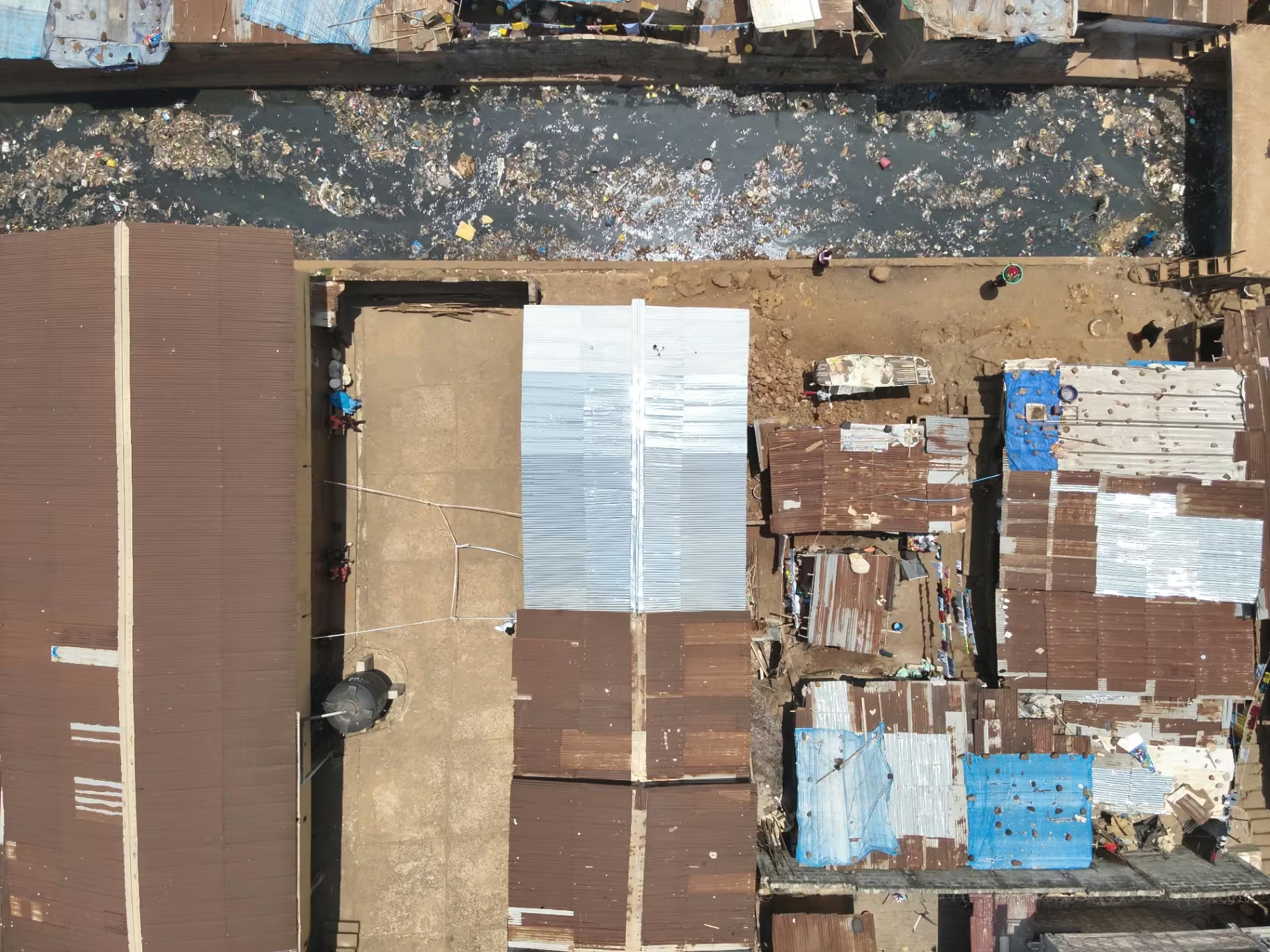
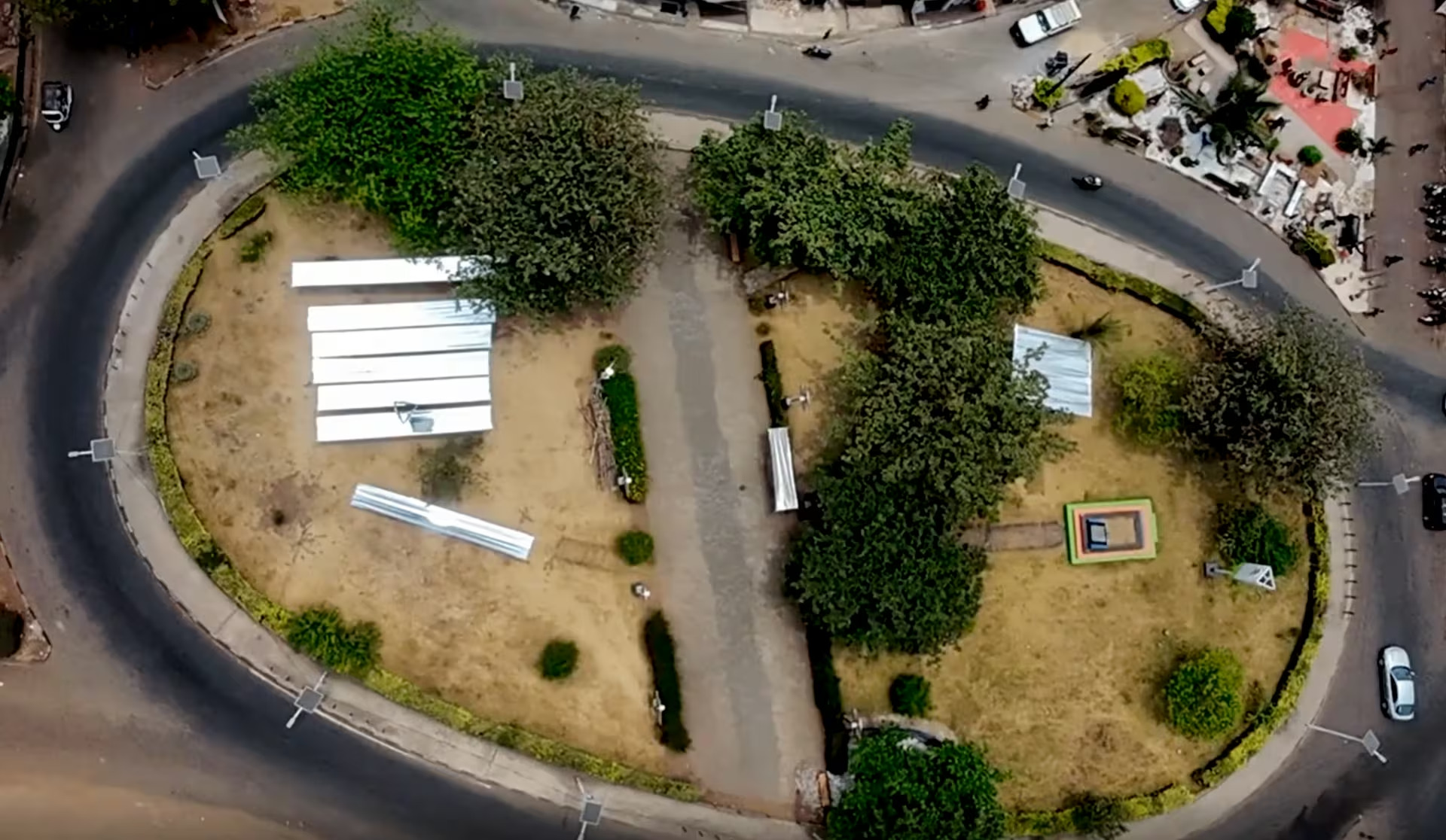
“55 reflective rooftops now stand across Freetown — visible from above as bright, mirrored surfaces among the tin, reflecting solar heat away from the homes below.”
A tightly integrated field programme combining fabrication, installation, monitoring, community employment and sustainable material sourcing.
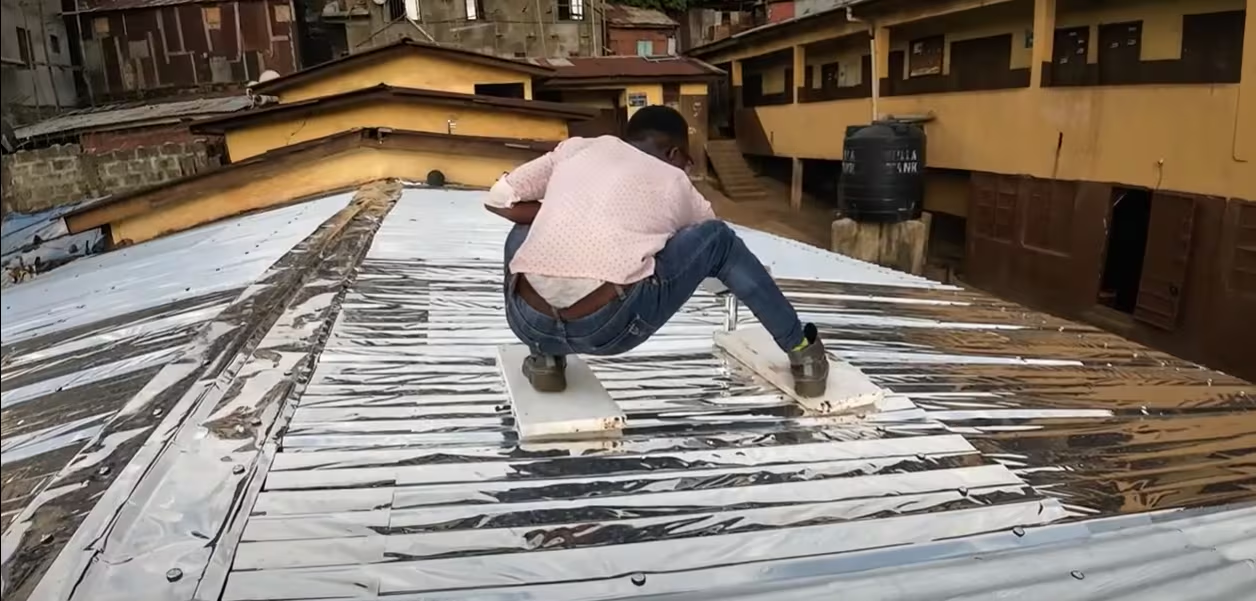
High-albedo sheeting clamped over existing corrugated tin roofs across 55 homes in Freetown, including the FAWE site and neighbouring settlements.
Materials are cut, assembled and fitted by a locally trained team — every step of the system is delivered from within Sierra Leone.
Residents — including several disabled workers now in permanent roles — take part in fabrication, installation, maintenance and documentation.
Upcycled PET cordage and fasteners pulled from local waste streams reduce cost, waste and dependence on imported components.
Locally harvested bamboo provides a lightweight, renewable structural layer that supports the reflective sheet above the existing roof.
Clamps, adhesives or other non-penetrative fixings protect roof integrity, prevent leaks and extend the useful life of the underlying structure.
As part of our commitment to sustainable innovation, MEER is exploring ways to incorporate locally recycled plastic into components used within our cooling technologies.
The video shows how discarded plastic bottles can be collected, processed and repurposed into durable components — reducing waste while supporting more sustainable manufacturing approaches.
By exploring the use of recycled materials, we aim to encourage circular economy principles and develop cooling solutions that are both practical and resource-efficient, adding value to locally available waste streams.
Supporting circular economy principles.
Repurposing plastic waste into useful components.
Reducing material waste at source.
Developing more sustainable cooling technologies.
Exploring locally sourced manufacturing approaches.
Dense, unplanned settlements combine heat-absorbing corrugated tin roofs with limited ventilation and no access to cooling. Indoor temperatures routinely exceed outdoor conditions for hours after sunset.
Mapping and monitoring the worst-affected homes is the first step: our teams walk the neighbourhoods, log building conditions and identify households where a reflective intervention will have the greatest impact.
Corrugated tin roofs can reach surface temperatures of 60 °C (140 °F) in direct sun — turning homes into ovens that stay dangerously hot long after dark.
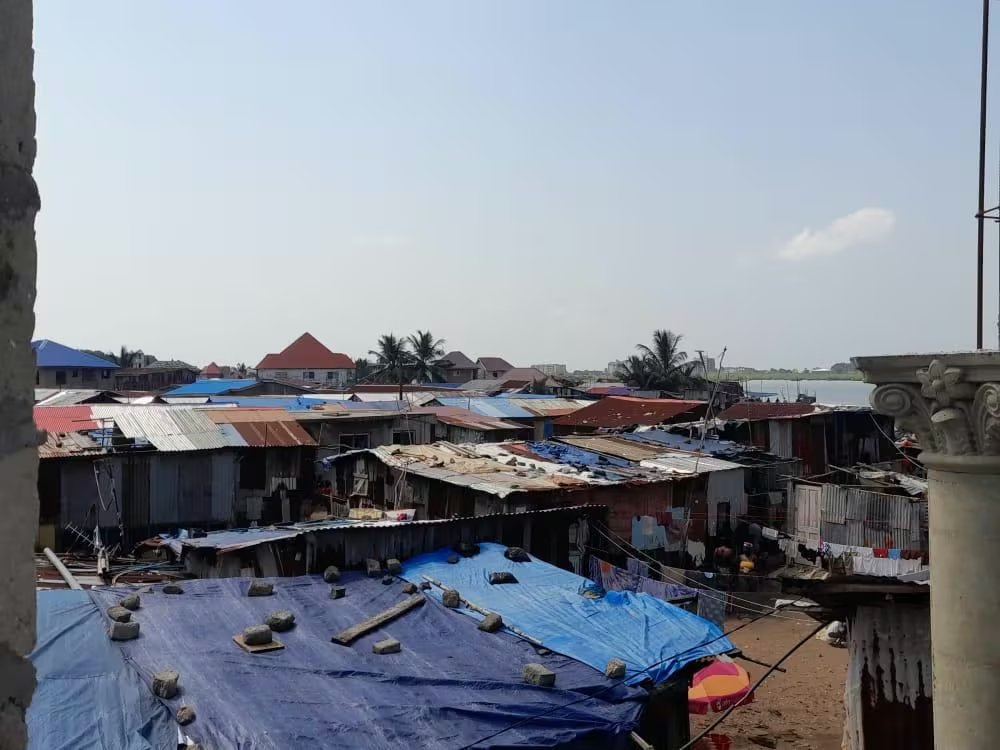
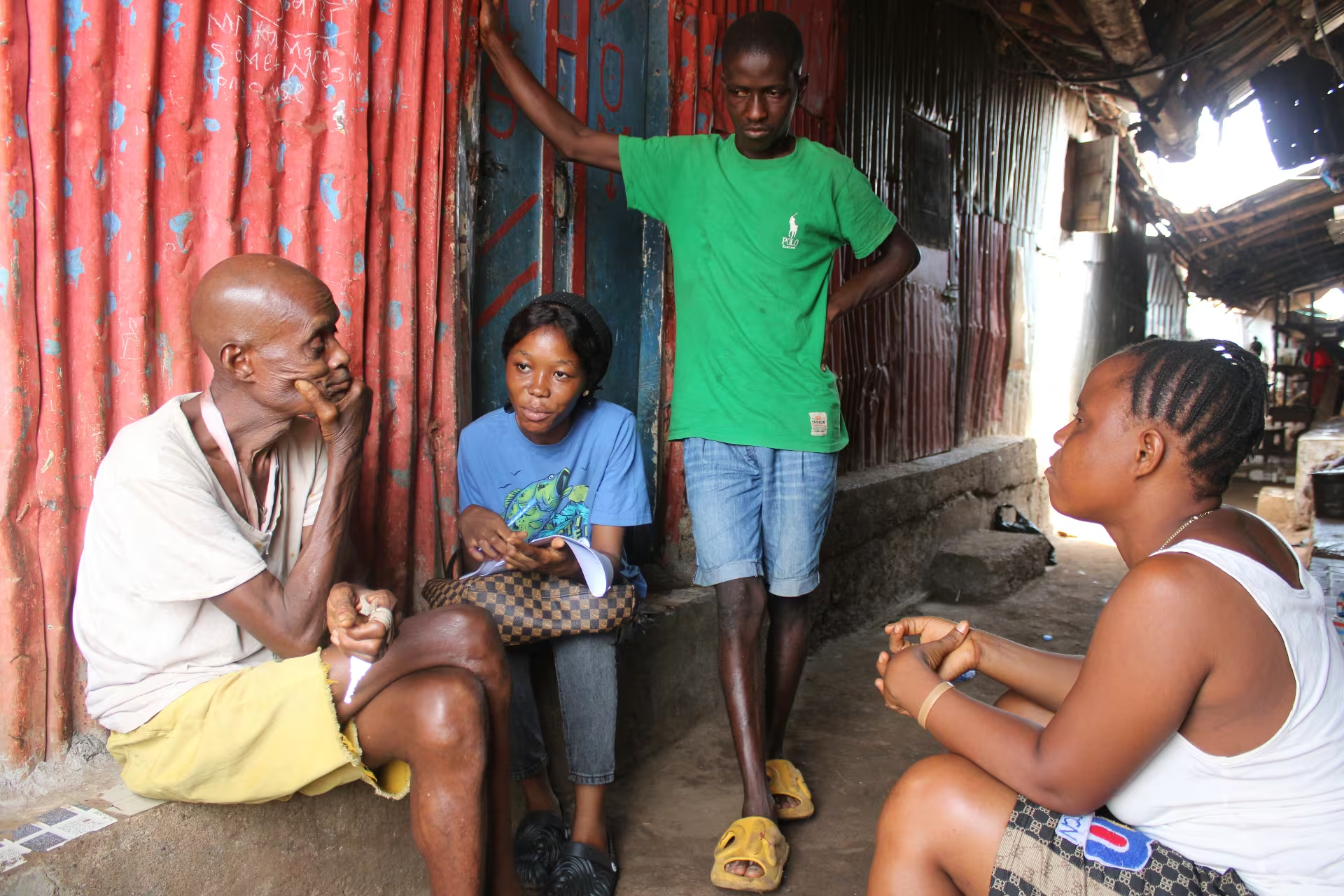
Before any installation, MEER's local team sits with residents to understand how heat is affecting their homes, health, work and sleep. Household surveys inform which roofs are prioritised, what materials work best, and how systems should be maintained.
This groundwork builds the trust and shared ownership that makes long-term deployment possible.
Working with residents and local installers, MEER has completed 55 reflective rooftop installations across Freetown — clamping high-albedo sheeting over existing corrugated tin so homes reflect solar heat away instead of absorbing it.
Each roof is fitted by the Sierra Leone team, monitored on-site, and maintained in partnership with the household. The installation at the FAWE community site — visible from above as a bright, mirrored roof surrounded by tin — is one of the strongest examples of how visible and immediate the intervention is.
The Freetown programme is proof that immediate, affordable cooling is possible today — built with the communities living through the heat.
A permanent Sierra Leone team of trained fabricators and installers leads day-to-day work across sites.
Household-level collaboration on installation, maintenance and long-term site access across Kroo Bay and surrounding neighbourhoods.
Funding and technical partnerships that allow the programme to expand deployment and refine materials over time.
Future work in Freetown expands beyond individual homes into schools, community buildings and public spaces — deepening measurement of indoor conditions and growing the local team so the programme continues to be delivered from within the community.
Click or tap any image to open the full-screen lightbox. Use ← and → to navigate, or swipe on mobile.
Every deployment, measurement, publication and sibling project links back to a shared scientific graph. Follow any thread to keep exploring.
Your support scales the Freetown programme into more neighbourhoods and lets us continue to hire, train and install locally.
Donate