Long-term demonstration
A visible, permanent example of reflective rooftop cooling on a working school block in Dar es Salaam.
A long-term demonstration of durable, passive cooling — reflective rooftops on a Dar es Salaam school block, now in their third year of tropical exposure.
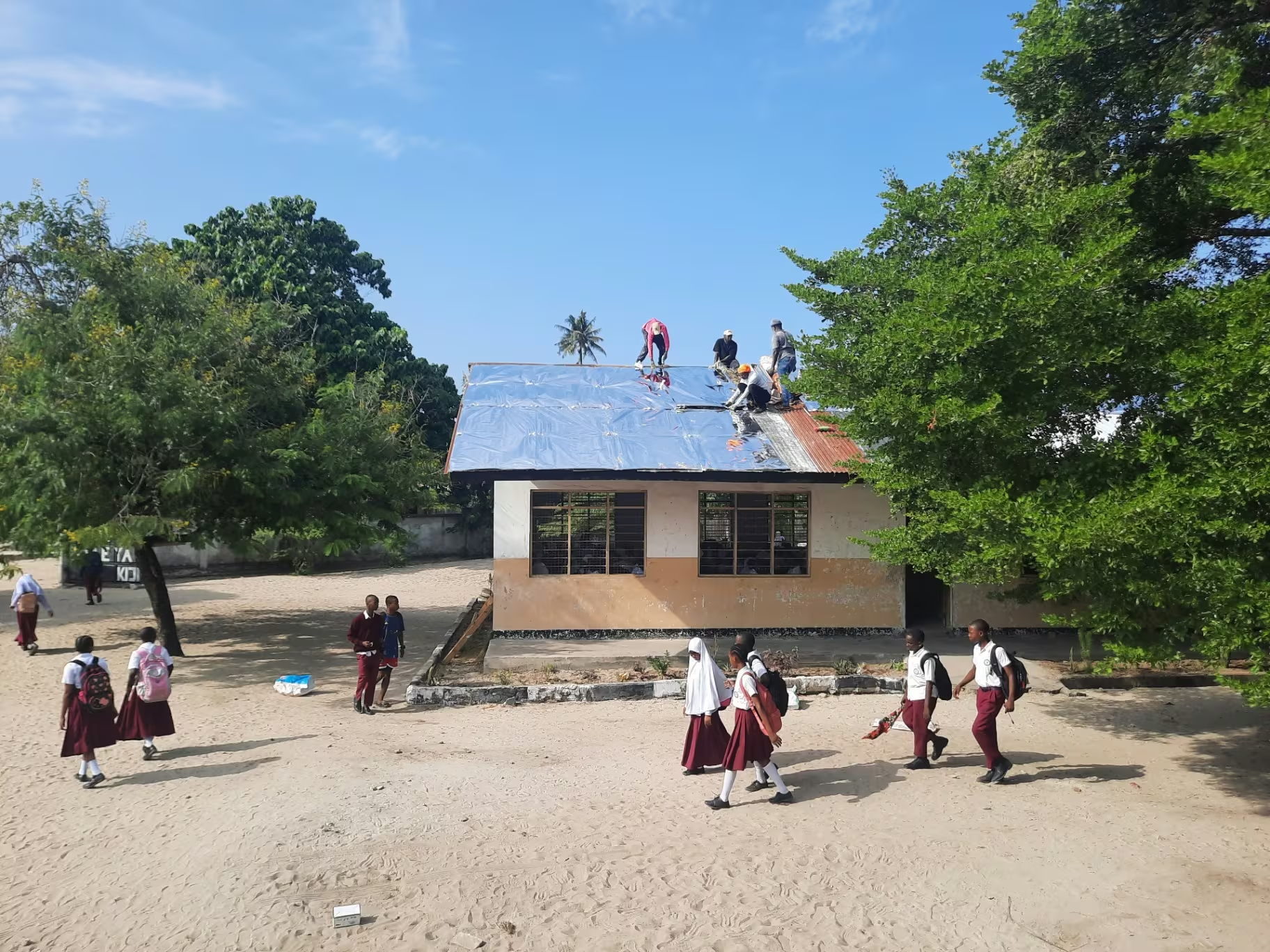
In Dar es Salaam, reflective rooftop materials installed by MEER around two years ago continue to perform well under real-world tropical conditions. The installation phase is complete, and the site now serves as a long-term demonstration and durability reference for passive surface cooling — the kind of multi-year evidence needed to move technologies from pilot to deployment at scale.
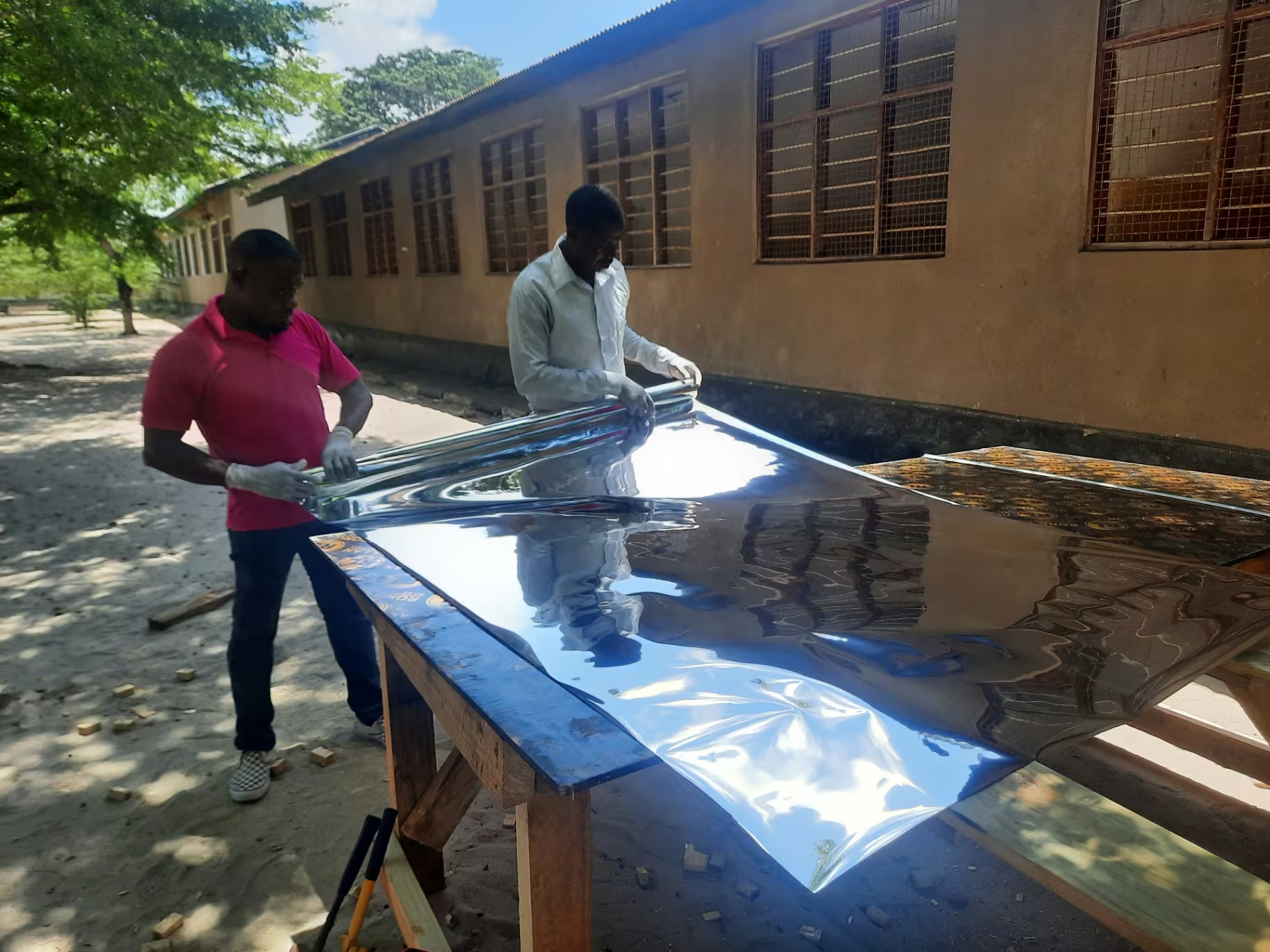
Working at Kijichi Secondary School, the MEER team fitted reflective aluminium sheeting across full classroom blocks, laying panels over existing rusted corrugated iron roofs.
Each panel was prepared outside the classroom, then lifted onto the roof, aligned to the ridge and secured along the roof edge — a scalable installation method suitable for schools, community buildings and homes.
The moment reflective sheeting is laid across a rusted metal roof is often the moment indoor temperatures start to fall.
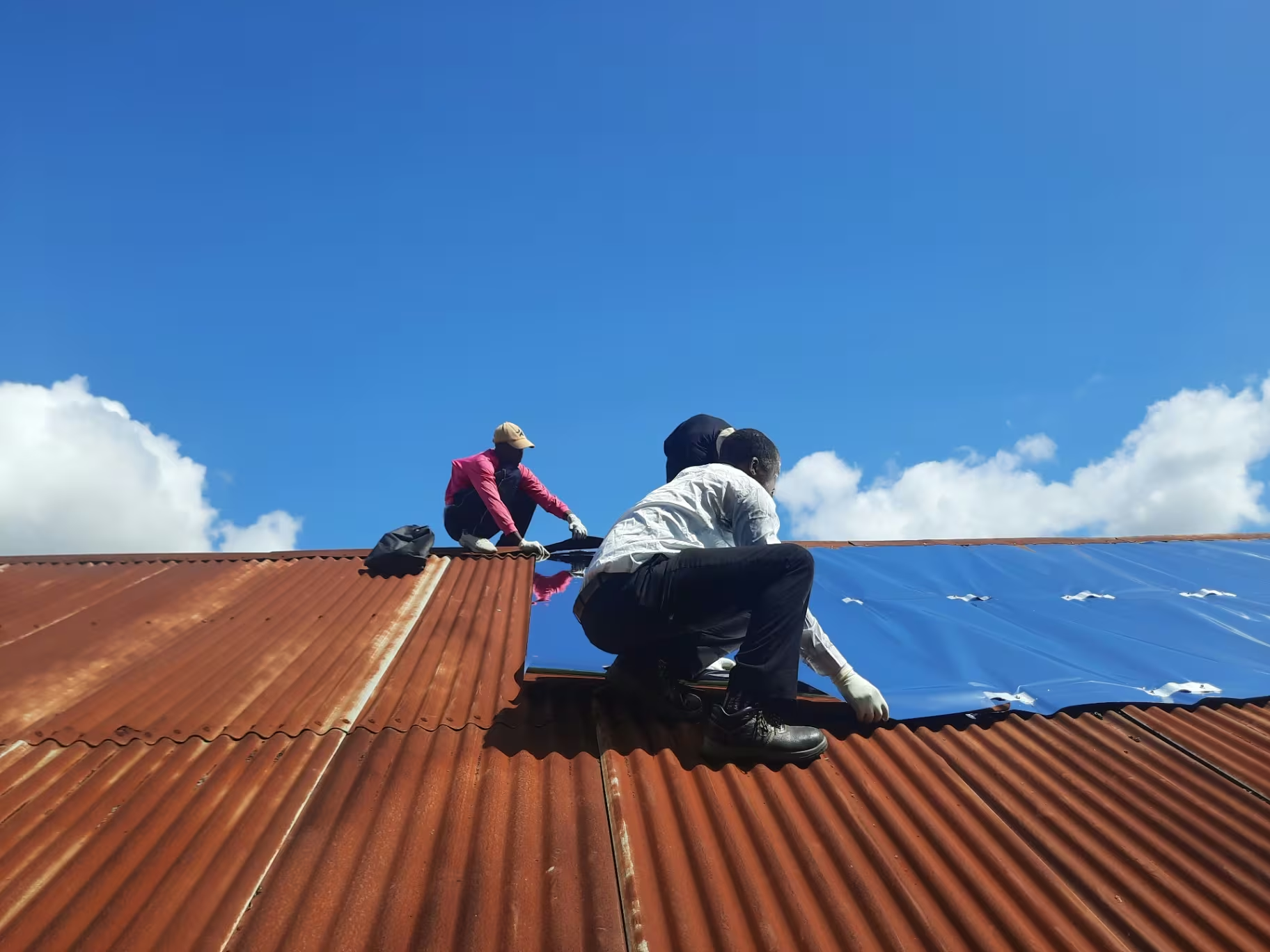
“Two years on, the reflective aluminium remains in good physical condition — real-world evidence that passive cooling can last.”
The Tanzania project is no longer an active installation or data-collection site. It now works as a long-term evidence generator for surface cooling.
A visible, permanent example of reflective rooftop cooling on a working school block in Dar es Salaam.
A stable, multi-year exposure record for how reflective aluminium materials behave under real tropical conditions.
Evidence that reflective aluminium sheeting can maintain its optical and structural performance with minimal maintenance over years.
Working with local partners to periodically assess how the installed materials continue to perform.
A concrete reference point when new schools, homes or community buildings consider reflective rooftop cooling.
Ongoing relationships with the school and local partners who host and steward the demonstration site.
Panels were fastened along the roof edge for long-term durability, forming continuous reflective surfaces across the length of each classroom block.
The installation method — non-penetrative where possible, aligned to the existing roof geometry — was designed to survive years of tropical exposure without maintenance-heavy interventions.
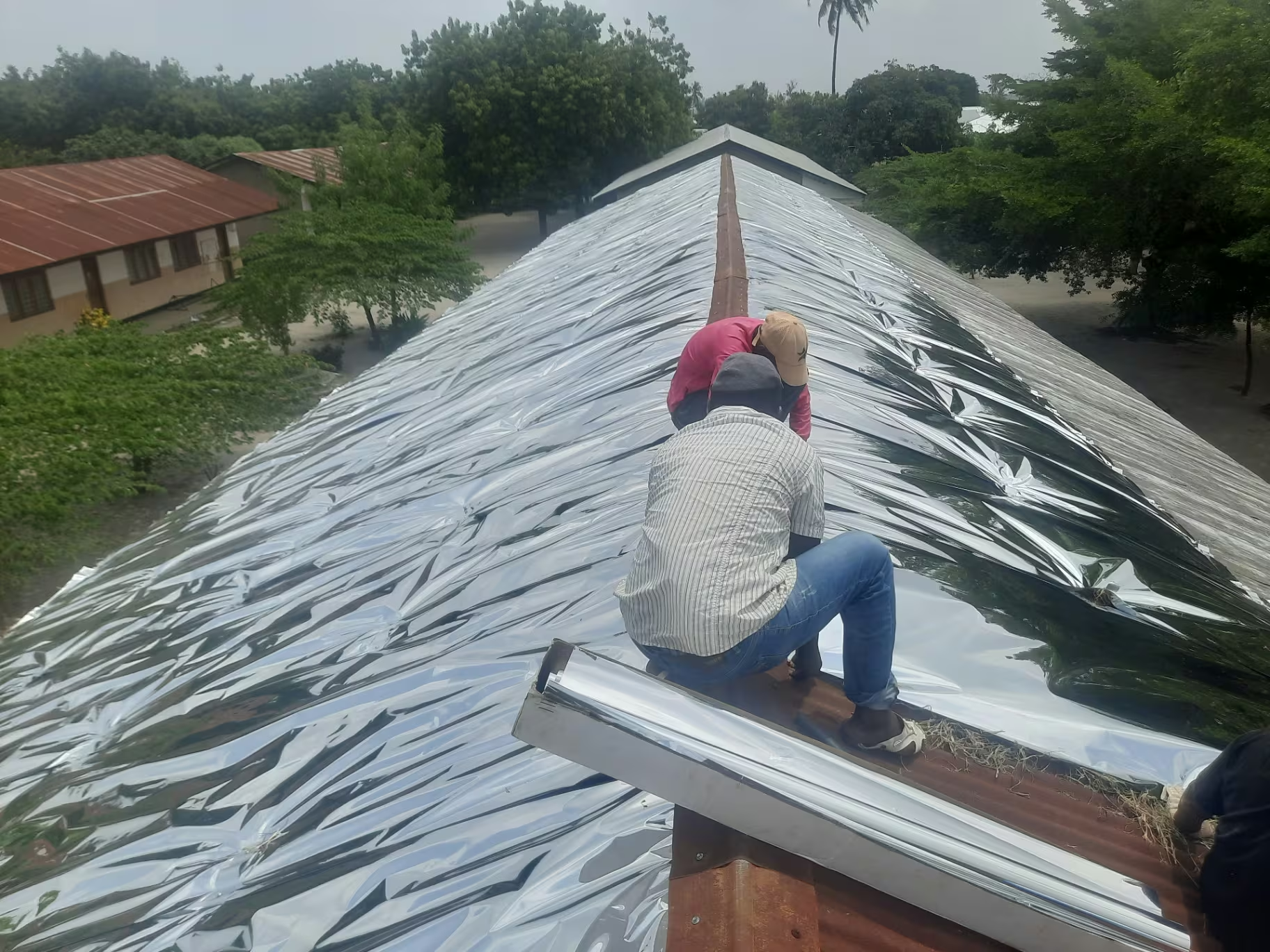
Long-term reference sites like Tanzania are essential for building confidence in passive cooling at scale.
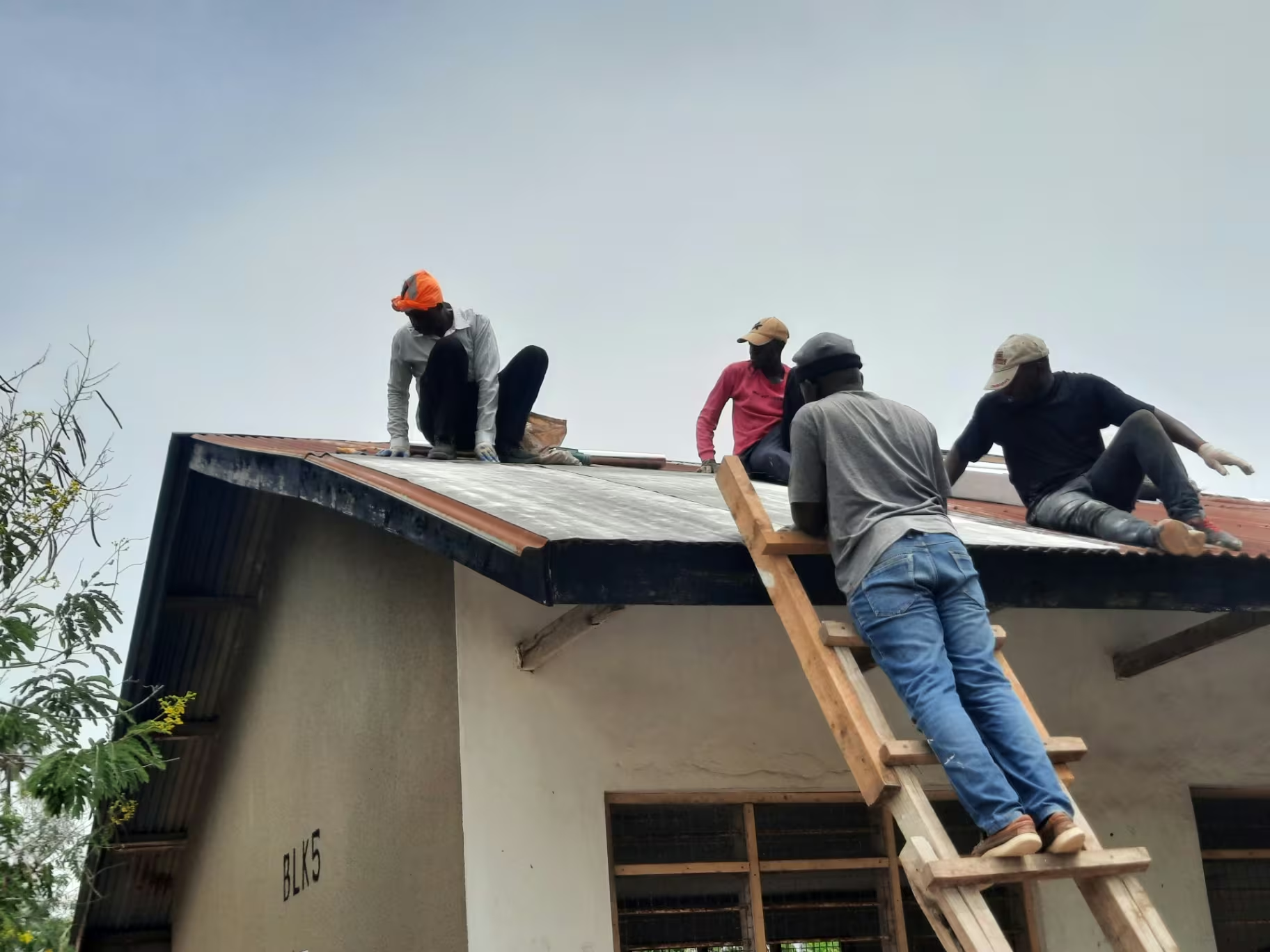
The Dar es Salaam demonstration shows that reflective aluminium-based materials can maintain optical and structural performance across years of tropical exposure — a key requirement for large-scale deployment across schools, homes and community buildings in East Africa and beyond.
Click or tap any image to open the full-screen lightbox. Use ← and → to navigate, or swipe on mobile.
Every deployment, measurement, publication and sibling project links back to a shared scientific graph. Follow any thread to keep exploring.
The Tanzania demonstration underpins the case for scaling reflective cooling across schools and homes across the tropics.
Get in touch