Materials science
World-leading capability in reflective and radiative surfaces — advanced coatings, composites and PDRC materials evaluated for optical performance and long-term stability.
A long-term MEER programme in Beijing developing and testing next-generation passive cooling materials, prototypes and manufacturing pathways.
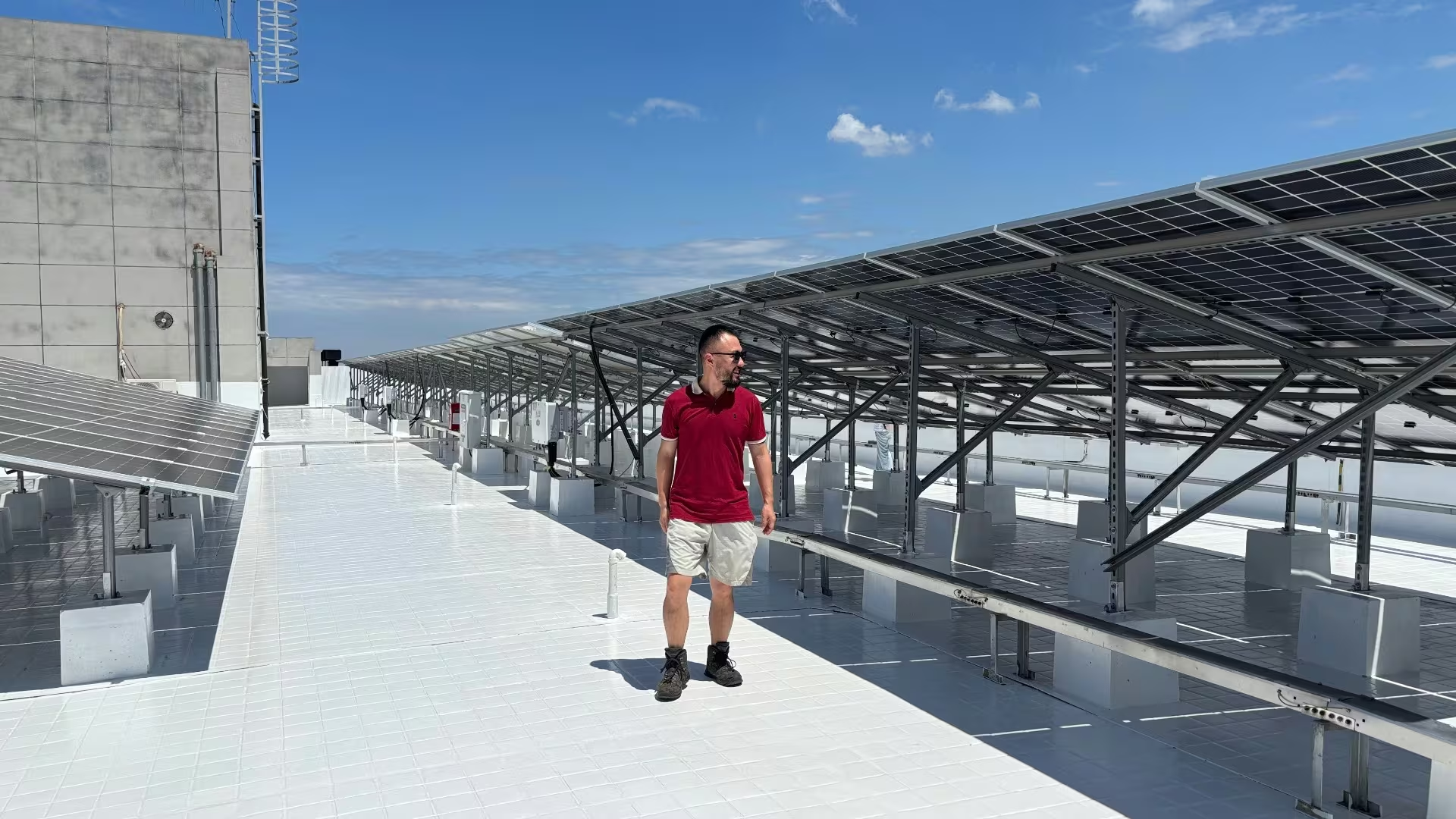
The China programme is where science, engineering and manufacturing come together to accelerate passive cooling for a warming world. It combines world-leading materials science, advanced manufacturing capability, large-scale engineering expertise and rapidly growing research capacity — a platform where new ideas are studied, prototyped, tested and prepared for deployment across MEER's global network.
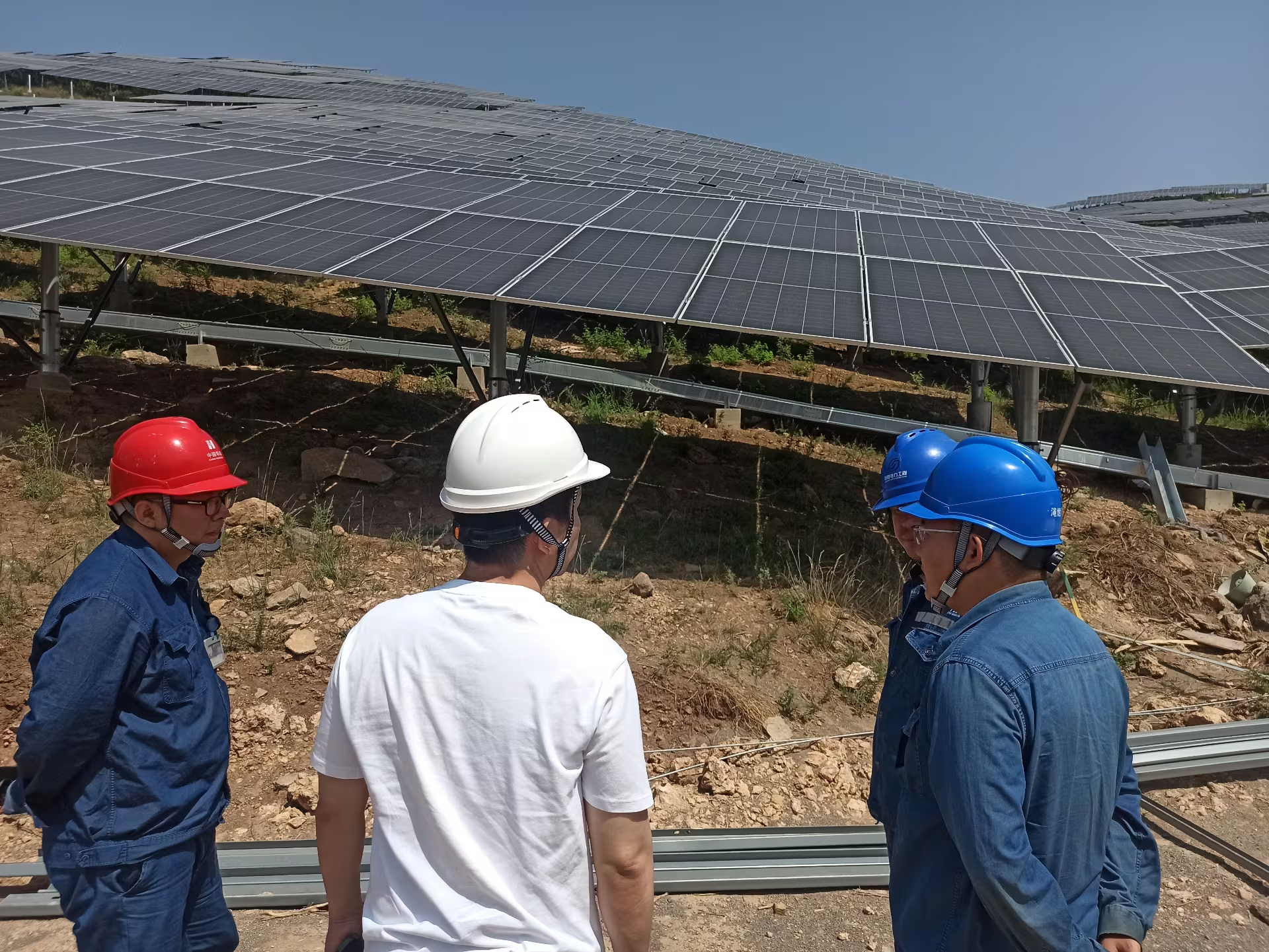
China combines depth in materials science, precision manufacturing at commercial scale and a rapidly expanding research base — the exact conditions required to move passive cooling from promising laboratory results to systems that can be produced and deployed globally.
The Beijing programme anchors this work, coordinating laboratory research, prototype engineering and field validation with partners across the country and beyond.
China's role in the MEER network is to enable scale — turning validated science into materials, prototypes and manufacturing pathways that other regions can deploy.
“China is where MEER's research, engineering and manufacturing capabilities meet — the platform that lets validated science travel across the global network.”
The China programme's work spans the full research-to-deployment pipeline — from materials science through to systems designed for durability, modularity and manufacturability.
World-leading capability in reflective and radiative surfaces — advanced coatings, composites and PDRC materials evaluated for optical performance and long-term stability.
Precision fabrication at commercial scale — the capability required to move validated designs from prototype to reproducible production.
Systems engineered for real-world operation — durable, modular and designed to withstand years of outdoor exposure.
A rapidly growing scientific base coordinating laboratory studies, materials characterisation and instrumented field validation.
Formal partnerships with universities and research institutions that bridge Chinese capability into MEER's global field programmes.
Rooftop and outdoor arrays where laboratory findings are validated under real atmospheric conditions before wider deployment.
The programme evaluates a spectrum of passive cooling approaches — from proven high-albedo reflective materials to advanced coatings and PDRC surfaces that reject heat directly to the sky through the atmospheric window without any electricity.
Each candidate material is characterised for optical performance, weathering resistance and long-term behaviour, then engineered into systems designed for durability, modularity and manufacturability.
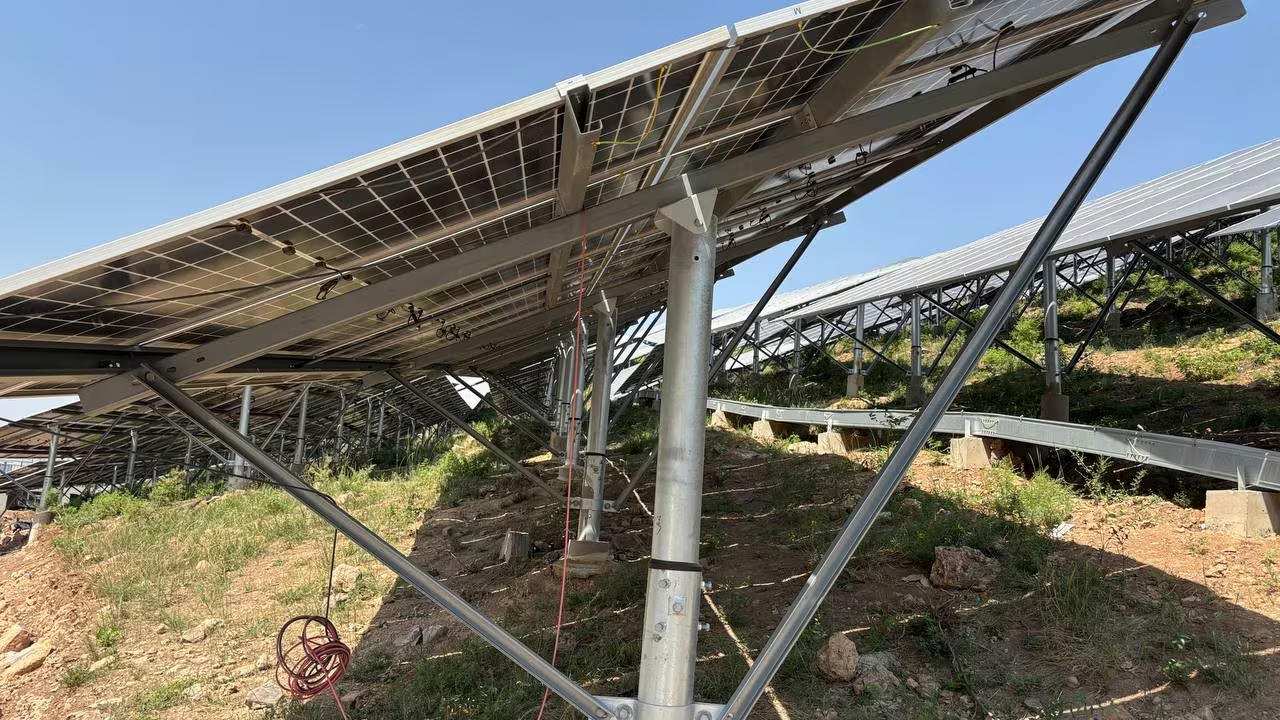
Once laboratory studies confirm a material's optical performance, prototypes are deployed to instrumented rooftop and hillside arrays — where they are evaluated for cooling performance, weathering and long-term stability under real-world conditions.
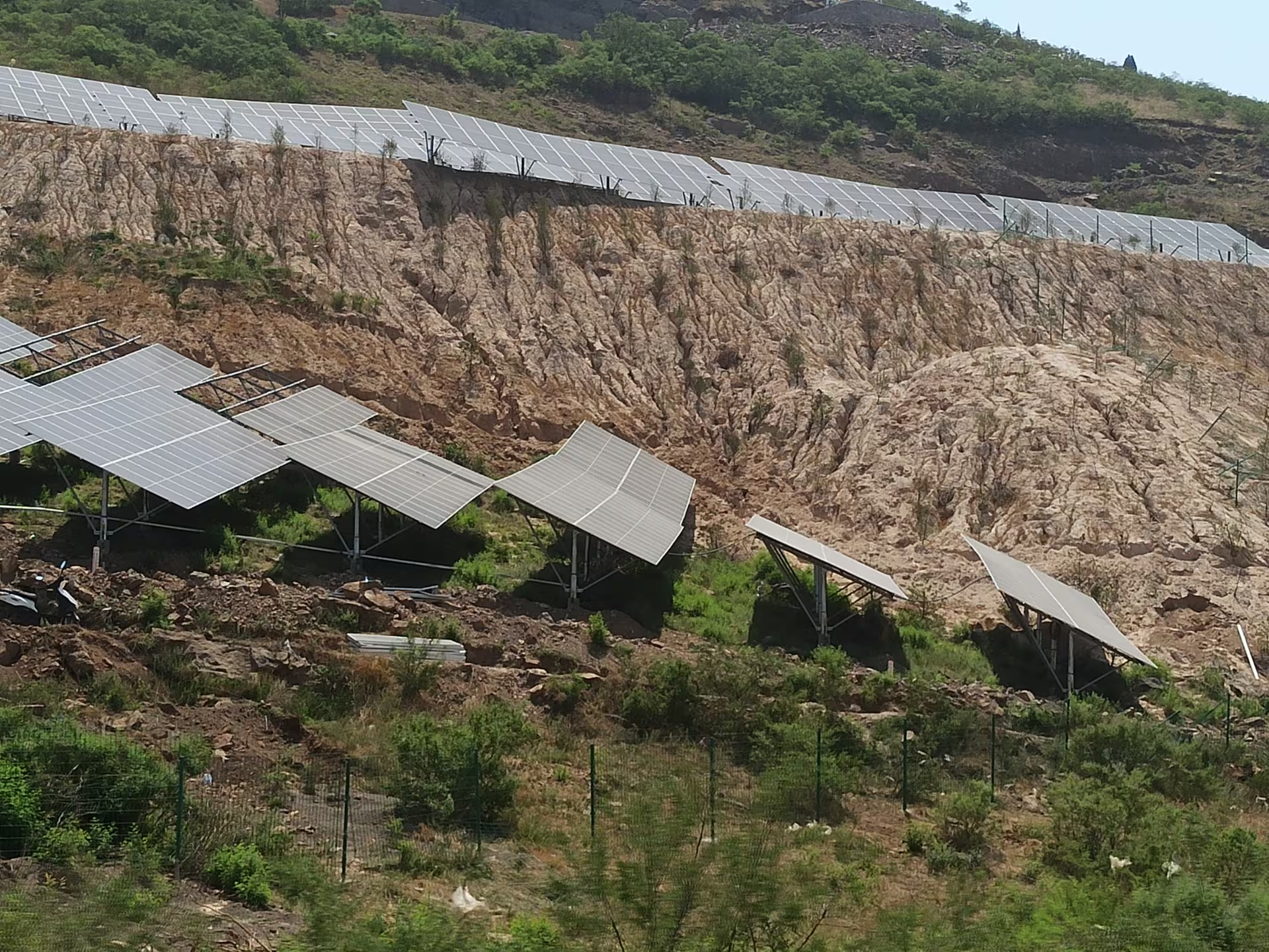
Real-world validation is what turns a promising material into a deployable cooling technology — this is what the China programme is built to generate.
The China programme follows a continuous cycle — from scientific collaboration through to systems ready for community-scale deployment across MEER's global network.
Formal collaborations with universities and research institutions combining expertise across materials, physics and engineering.
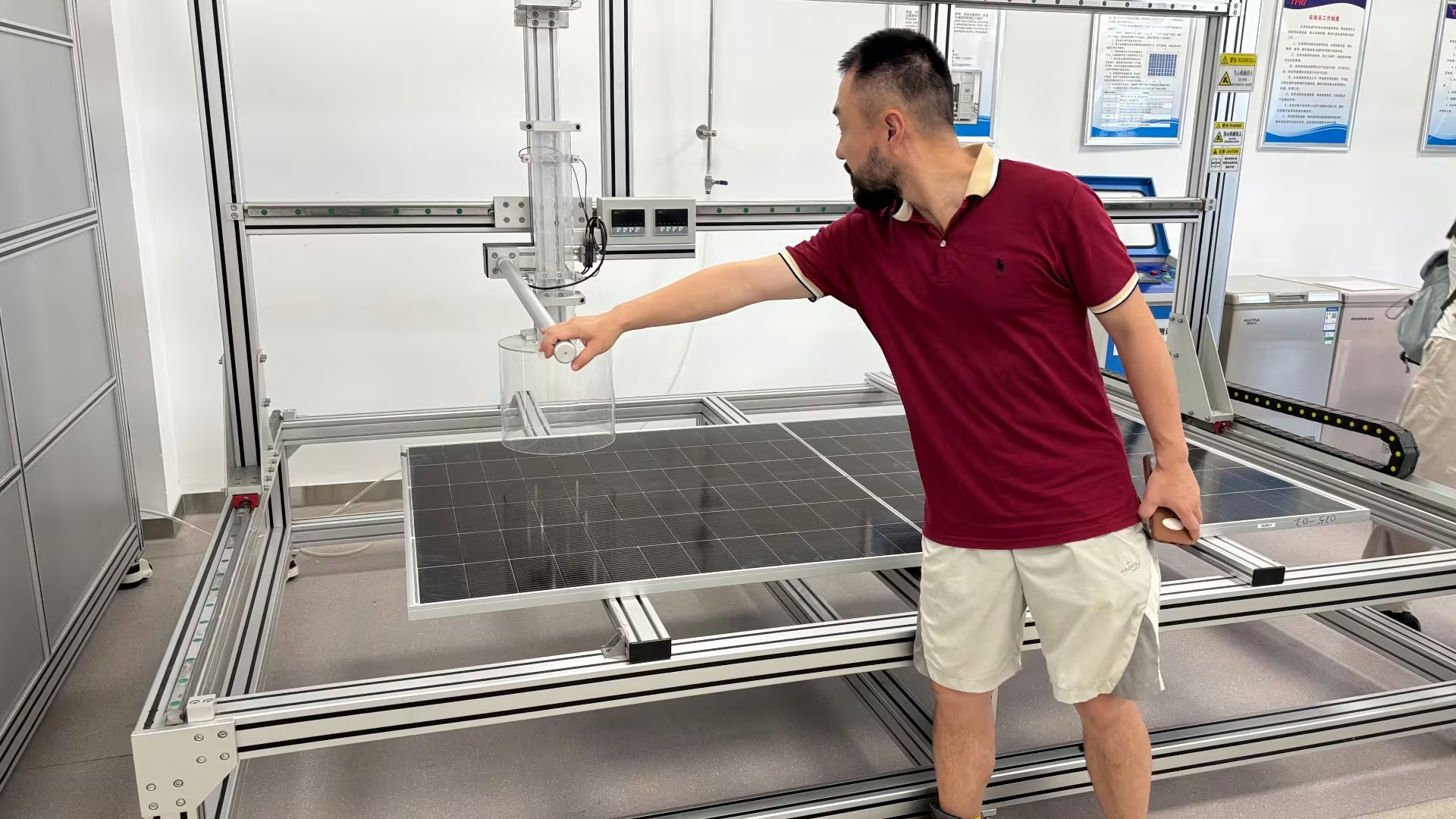
Controlled studies of reflective and radiative cooling materials — measuring optical performance under instrumented conditions.
Coatings and surfaces evaluated for optical performance, weathering resistance and long-term stability.
Turning laboratory findings into physical systems designed for durability, modularity and manufacturability.
Deployment of prototypes to rooftop and outdoor sites for real-world validation across different climates.
Refined designs handed off to MEER's global field programmes for community-scale installation.
The programme is carried out by MEER's China team in collaboration with universities, research institutions, industry partners and MEER's global field programmes.
Joint work on materials characterisation, optical measurement and the evaluation of next-generation passive cooling technologies.
Precision fabrication and scale-up capability — the route from validated designs to reproducible production.
Direct hand-off of engineered systems to MEER's field deployments in Sierra Leone, India and beyond.
Future work will advance next-generation PDRC materials, expand manufacturing partnerships and deepen the pipeline that carries validated science from Beijing into MEER's field programmes worldwide.
Click or tap any image to open the full-screen lightbox. Use ← and → to navigate, or swipe on mobile.
Every deployment, measurement, publication and sibling project links back to a shared scientific graph. Follow any thread to keep exploring.
We're actively building research, engineering and manufacturing partnerships to accelerate the development and deployment of passive cooling technologies worldwide.
Get in touch