Measuring the environment with precision.
Reliable science begins with reliable measurements. MEER develops advanced environmental sensing systems that enable high-resolution monitoring of heat, humidity and microclimates across diverse environments — providing the robust evidence needed to evaluate climate adaptation strategies.
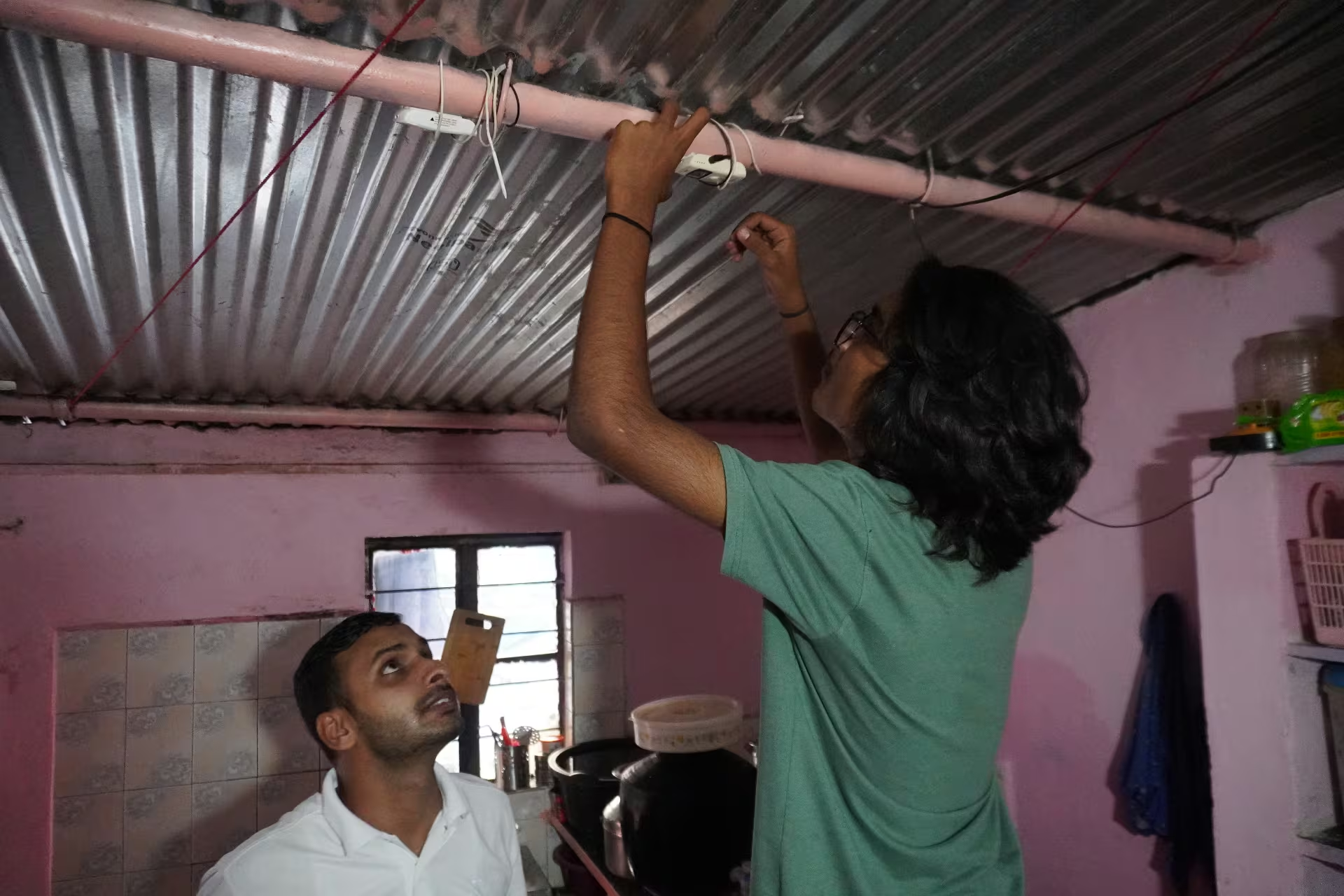
Understanding heat requires more than an air temperature reading.
Environmental conditions can change dramatically over just a few meters. Solar radiation, surface materials, building design, shade, vegetation, wind and humidity all shape how a person actually experiences heat inside a home, on a street or across a field of crops.
Reliable, high-resolution measurements are therefore essential — both to understand real human exposure and to evaluate whether a cooling intervention is delivering measurable, sustained benefits.
An environmental sensing platform built for scientific work.
MEER has developed an advanced environmental sensing platform capable of supporting consistent, repeatable and scientifically robust measurements across multiple sites and countries. It is designed for research — not for a single product application.
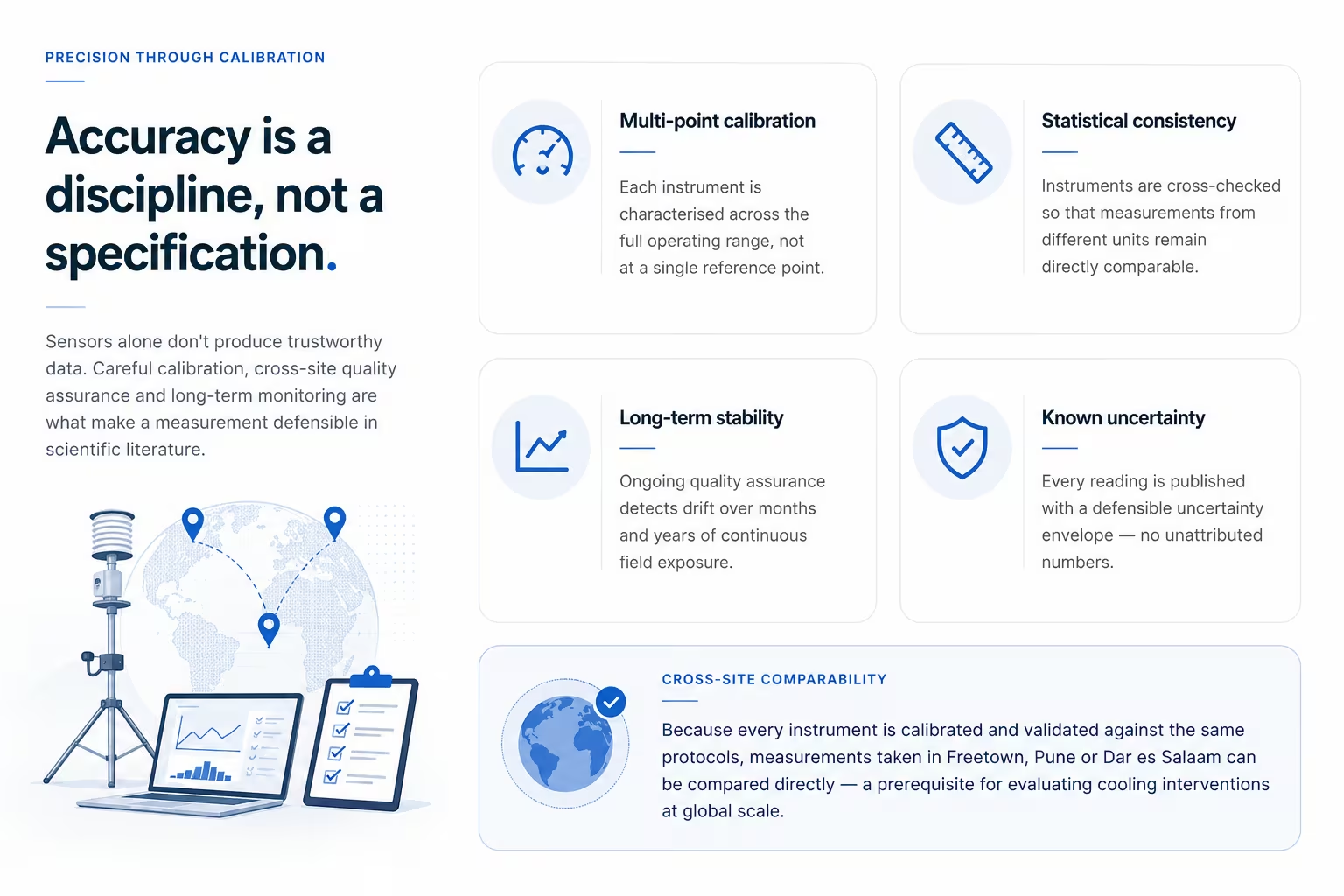
Purpose-built hardware, engineered for the field.
Every mount, bracket and enclosure is designed around a single question: will this measurement still be trustworthy after years of sun, rain and handling? Below: two of MEER's field-deployable sensor assemblies.
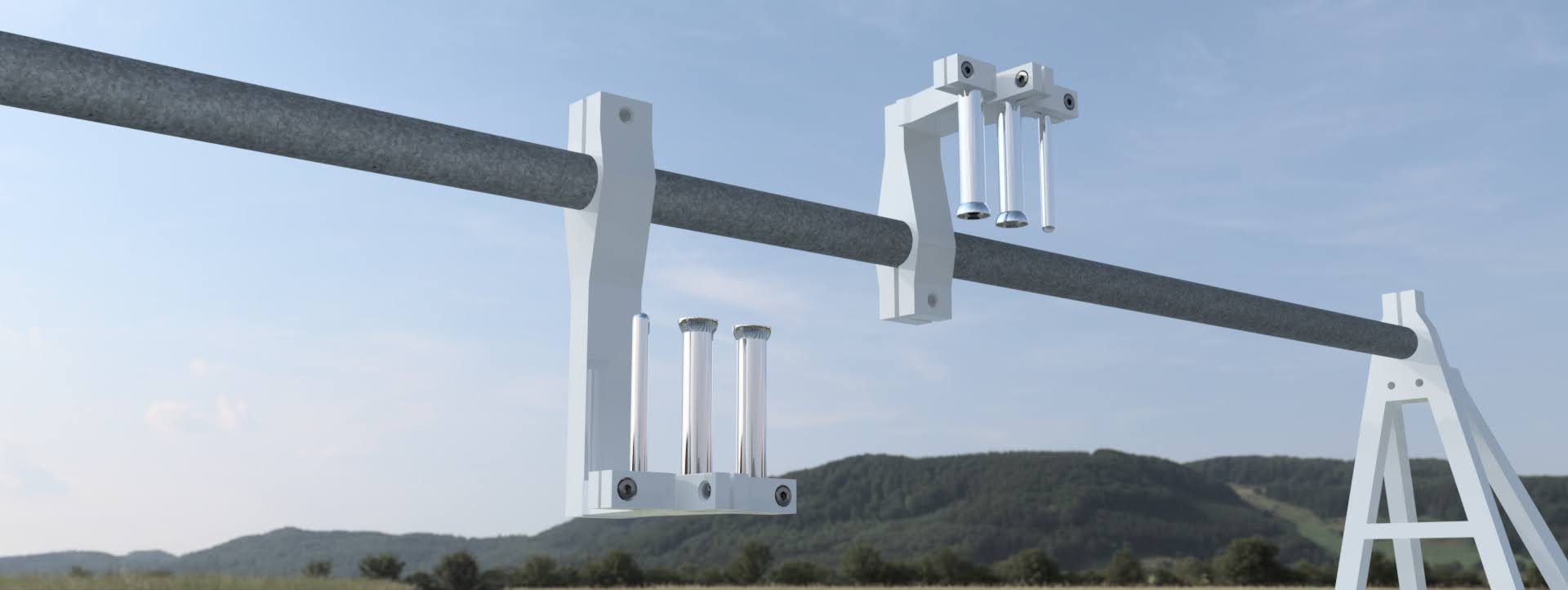
A cross-arm assembly carrying paired radiation, temperature and humidity instruments — designed for consistent open-sky exposure across sites.
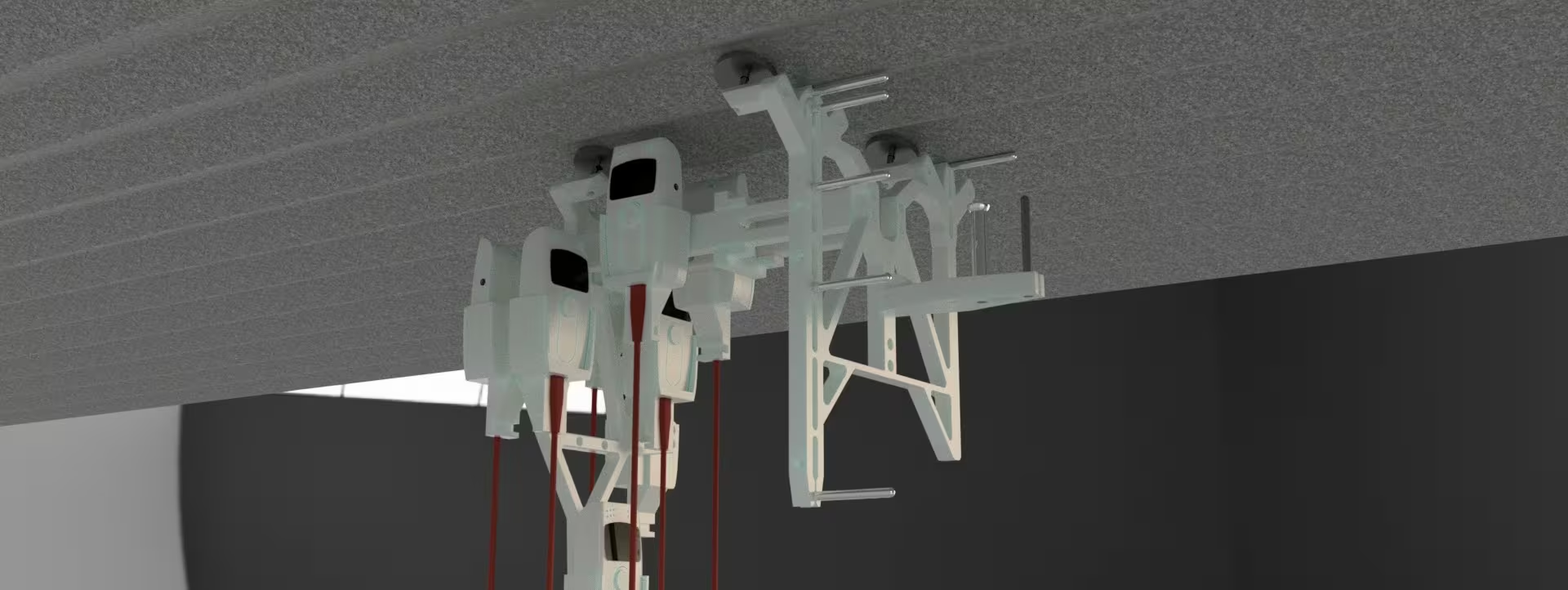
A ceiling-mounted cluster capturing indoor thermal conditions directly beneath the roof deck — the layer where reflective interventions have their greatest effect.
A short look inside MEER's sensor development and deployment work.
From a single building to a whole community.
The platform is designed to deploy across a wide range of environments — from a single classroom or clinic to a community-scale research network covering entire neighbourhoods.
Affordability without compromising the science.
By combining affordability with scientific rigour, the platform helps make high-quality environmental monitoring more accessible to researchers, partners and communities that have historically been under-instrumented.
A measurement capability that keeps advancing.
MEER continues to develop its environmental sensing technologies to strengthen the evidence base for climate adaptation. Ongoing work focuses on improvements in:
These developments will strengthen MEER's ability to understand environmental conditions and evaluate cooling interventions in real-world settings — reinforcing our role as an organization that develops both innovative cooling technologies and the scientific tools needed to measure, validate and improve their performance.
Explore the science behind the measurements.
See how MEER's research program connects sensing, cooling science and real-world field evidence.